Cartech - All About Auto

Showing posts with label battery. Show all posts

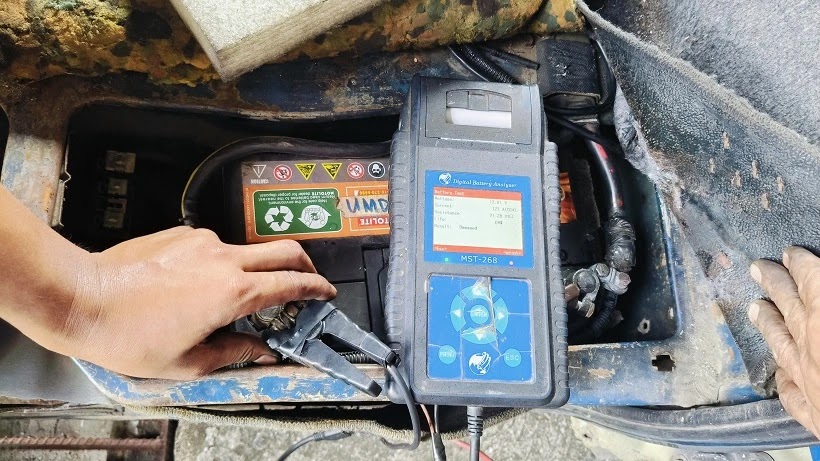
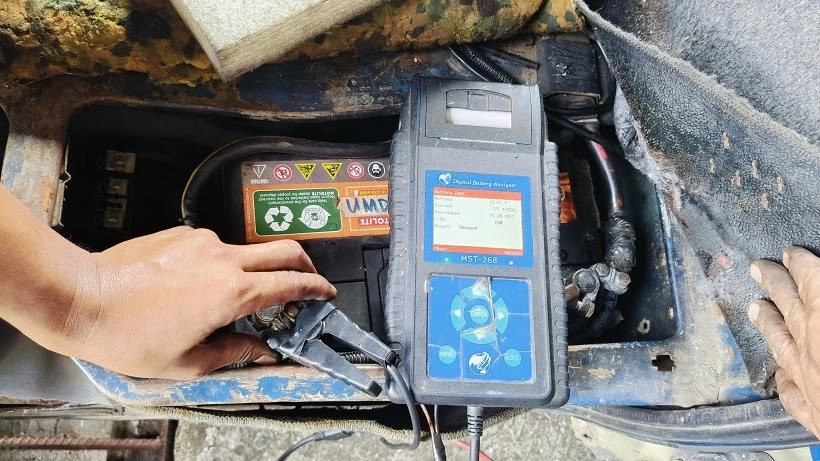
How to Test a Car Battery: Easy Steps for Accurate Results

How to Test a Car Battery: A Complete Guide

A car battery is the heart of a vehicle's electrical system. It provides the necessary power to start the engine and keeps the vehicle’s electronics functioning properly. However, car batteries can weaken over time due to age, extreme temperatures, or improper maintenance. If your vehicle is slow to start, the headlights are dim, or electrical components malfunction, it may be time to test your car battery.

In this comprehensive guide, we’ll walk you through how to test a car battery using different methods, signs of a failing battery, and maintenance tips to extend battery life.

Why Testing a Car Battery is Important

Regularly testing your car battery ensures that it’s functioning correctly and helps prevent unexpected breakdowns. A weak battery can leave you stranded, cause electrical malfunctions, and reduce the efficiency of your vehicle’s charging system.

By testing your car battery, you can:

• Identify early signs of failure before the battery dies.

• Ensure optimal vehicle performance by keeping the electrical system stable.

• Save money on replacements by diagnosing issues early.

Signs of a Failing Car Battery

Before diving into testing methods, it’s important to recognize common symptoms of a weak or failing car battery:

1. Slow Engine Crank – If your engine takes longer than usual to start, it could be due to a weak battery.

2. Dim Headlights – A weak battery may cause headlights and interior lights to appear dim.

3. Clicking Sound When Turning the Key – This is a classic sign of insufficient power reaching the starter motor.

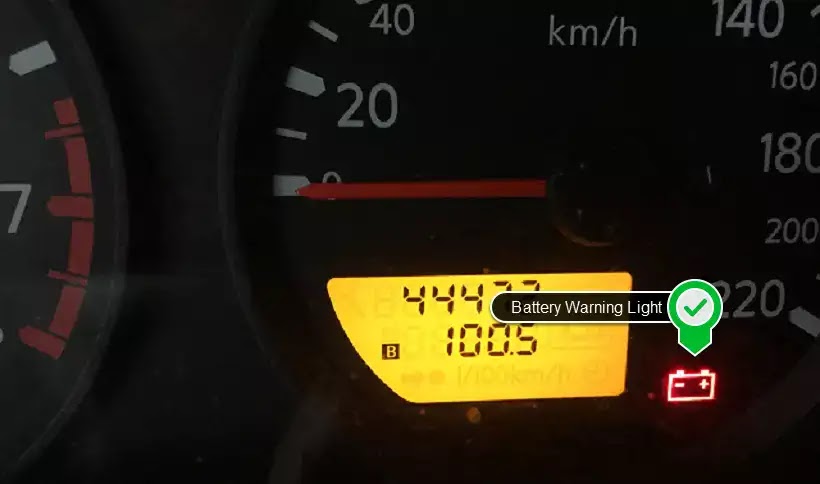
4. Dashboard Warning Lights – Many modern cars have a battery warning light on the dashboard.

5. Electrical Issues – Malfunctioning power windows, radio, or air conditioning may indicate battery problems.

6. Corroded Battery Terminals – Visible corrosion around battery terminals can interfere with power flow.

7. Frequent Jump Starts – If you frequently need to jump-start your car, your battery might be near the end of its life.

If you notice any of these signs, it’s time to test your car battery.

Methods to Test a Car Battery

There are several ways to test a car battery, ranging from using a multimeter to observing physical symptoms. Below are the most effective methods:

Method 1: Testing a Car Battery with a Multimeter

A multimeter is a device that measures voltage, current, and resistance. It is the most accurate way to test a car battery.

Step-by-Step Guide to Testing with a Multimeter

1. Turn Off the Engine – Ensure the car is off, and all accessories (lights, radio, air conditioning) are switched off.

2. Set the Multimeter to DC Voltage – Adjust the multimeter to 20V DC (Direct Current) mode.

3. Connect the Multimeter Probes:

o Attach the red probe to the positive (+) terminal of the battery.

o Attach the black probe to the negative (-) terminal.

4. Check the Voltage Reading:

o 12.6V or higher – The battery is fully charged.

o 12.4V to 12.6V – The battery is in good condition but not fully charged.

o 12.0V to 12.4V – The battery is partially discharged and may need charging.

o Below 12.0V – The battery is weak and may need replacement.

5. Perform a Cranking Test:

o Have someone start the car while you observe the voltage.

o If the voltage drops below 9.6V, the battery is weak and may need replacement.

Method 2: Testing a Car Battery with a Load Tester

A load tester measures how well a battery performs under a simulated load. This test is useful for detecting a weak battery that may still show normal voltage.

How to Use a Load Tester

1. Turn Off the Engine – Ensure the vehicle is off.

2. Connect the Load Tester – Attach the positive and negative leads to the respective battery terminals.

3. Apply a Load – Follow the manufacturer’s instructions to apply a load for 10-15 seconds.

4. Observe the Voltage Drop:

o If the voltage stays above 9.6V, the battery is in good condition.

o If the voltage drops below 9.6V, the battery is weak and may need replacement.

Method 3: Testing a Car Battery Without a Multimeter

If you don’t have a multimeter, you can perform a simple headlight test.

How to Perform the Headlight Test

1. Turn on the Headlights – Start the car and observe the brightness of the headlights.

2. Monitor Brightness Changes:

o If the headlights are bright and steady, the battery is in good condition.

o If the headlights dim when the engine starts, the battery may be weak.

o If the headlights are flickering, there may be a battery or alternator problem.

While this method is not as accurate as a multimeter test, it gives a quick indication of battery health.

Method 4: Inspecting the Battery Physically

A visual inspection can reveal battery problems that might not be detected through testing alone.

What to Look For

• Corrosion on Terminals – White or blue-green buildup can cause poor electrical connections.

• Swollen or Cracked Battery Case – Extreme temperatures can cause the battery case to expand or crack.

• Leaking Battery Fluid – A leaking battery can indicate an internal failure.

If you notice any of these signs, it may be time to replace your battery.

How to Maintain a Car Battery for Longer Life

Regular maintenance can extend the lifespan of your car battery and ensure optimal performance.

Battery Maintenance Tips

1. Clean the Battery Terminals – Remove corrosion with a wire brush and baking soda solution.

2. Check Fluid Levels – If your battery has removable caps, ensure the fluid is at the recommended level.

3. Secure the Battery – Ensure the battery is tightly secured in its holder to prevent vibrations.

4. Drive Your Car Regularly – Long periods of inactivity can lead to battery drain.

5. Avoid Extreme Temperatures – Park in a garage to protect against extreme heat or cold.

6. Turn Off Electronics When Not in Use – Leaving headlights or the radio on when the engine is off can drain the battery.

When to Replace Your Car Battery

Car batteries typically last 3 to 5 years, but several factors, such as climate and driving habits, can affect their lifespan.

You should consider replacing your battery if:

• It fails the voltage or load test.

• The engine struggles to start, even after charging the battery.

• The battery case is swollen or leaking.

• Your car requires frequent jump-starts.

Final Thoughts

Knowing how to test a car battery can save you from unexpected breakdowns and costly repairs. By using a multimeter, load tester, or headlight test, you can quickly determine if your battery is in good condition or needs replacement.

Regular maintenance, such as cleaning terminals and avoiding extreme temperatures, can extend the life of your battery. If your battery shows signs of failure despite proper care, replacing it with a high-quality battery is the best solution.

By following these tips, you can keep your vehicle running smoothly and avoid battery-related issues on the road.

πŸ“½️ Watch the Video

Want to see it in action? Check out our YouTube video tutorial where we walk through each step on an actual Ford EcoSport:
πŸ‘‰ πŸ”‹ How to Test a Car Battery at Home – Easy & Accurate Methods!

Textual description of firstImageUrl

What Causes Battery Light to Come On?

All About Auto Image

The battery light on your car's dashboard is a warning sign that many drivers encounter. While its appearance might be alarming, understanding the reasons behind this warning can help you address potential issues effectively. In this article, we'll explore what causes the battery light to come on, its implications, and the steps you can take to resolve the problem.

Understanding the Battery Light

The battery light is part of your car's warning system. It typically illuminates when there’s an issue with the vehicle's charging system. While the name suggests a problem with the battery, the light often signals a broader issue with the electrical system that includes the battery, alternator, and related components.

What Causes the Battery Light to Come On?

Several issues can trigger the battery light. Here are the most common reasons:

1. Faulty Alternator

The alternator is responsible for charging the battery and powering the electrical components when the engine is running. A failing alternator may not supply enough power, causing the battery light to turn on.

Symptoms of a Failing Alternator:

• Dim headlights or dashboard lights
• Electrical malfunctions
• A whining or grinding noise under the hood

2. Worn or Loose Alternator Belt

The alternator belt, also known as the serpentine belt, drives the alternator. If this belt is loose, damaged, or worn out, it can cause the alternator to malfunction, leading to the battery light illuminating.

3. Bad Battery

While the battery light doesn’t always mean the battery is bad, a weak or failing battery can trigger it. Over time, car batteries lose their ability to hold a charge, especially in extreme weather conditions.

Signs of a Weak Battery:

• Difficulty starting the car
• Frequent jump starts required
• Corrosion on battery terminals

4. Damaged Battery Terminals or Cables

Corroded, loose, or damaged battery terminals and cables can interrupt the connection between the battery and the electrical system, leading to the battery light turning on.

5. Issues with the Voltage Regulator

The voltage regulator controls the alternator’s output to ensure it doesn’t overcharge or undercharge the battery. A malfunctioning voltage regulator can cause fluctuations in the electrical system, triggering the battery light.

6. Blown Fuse or Faulty Wiring

A blown fuse or damaged wiring in the charging system can disrupt the flow of electricity, causing the battery light to appear.

7. Faulty Ground Connection

The ground connection is essential for the electrical system to function properly. A bad ground connection can cause electrical issues and activate the battery light.

8. Parasitic Drain

A parasitic drain occurs when electrical components consume power even when the car is turned off. This can lead to a drained battery and trigger the battery light.

9. Electrical System Overload

Using too many electrical components simultaneously, such as headlights, air conditioning, and a sound system, can strain the charging system, causing the battery light to turn on temporarily.

10. Defective ECU (Engine Control Unit)

The ECU monitors and controls the vehicle's electrical systems. If it malfunctions, it may incorrectly trigger the battery warning light.

Steps to Take When the Battery Light Comes On

If the battery light comes on while you’re driving, follow these steps to diagnose and address the issue:

1. Turn Off Unnecessary Electrical Components

Switch off accessories like the radio, air conditioning, and headlights to reduce the load on the charging system.

2. Check the Battery Connections

Inspect the battery terminals and cables for corrosion, looseness, or damage. Clean and tighten them if necessary.

3. Examine the Alternator Belt

Look for signs of wear or damage on the alternator belt. Ensure it’s tight and properly aligned.

4. Avoid Turning Off the Engine Immediately

If you’re driving, try to reach a safe location before turning off the engine. Restarting the car may be difficult if the battery is completely drained.

5. Use a Multimeter to Test the Battery and Alternator

A multimeter can help check the voltage of your battery and alternator. A fully charged battery should read around 12.6 volts when the car is off and 13.7–14.7 volts when the engine is running.

6. Visit a Mechanic or Auto Parts Store

If you’re unable to identify the issue, seek professional assistance. Many auto parts stores offer free battery and alternator testing.

How to Prevent the Battery Light from Coming On

Prevention is always better than a breakdown. Here are tips to keep your car’s electrical system in top shape:

1. Regular Battery Maintenance

• Check the battery terminals for corrosion.
• Ensure the battery is securely mounted.
• Test the battery voltage periodically.

2. Inspect the Alternator Belt

Examine the belt for signs of wear and replace it as recommended by the manufacturer.

3. Avoid Overloading the Electrical System

Don’t use too many electrical accessories simultaneously, especially if your car’s charging system is already under strain.

4. Perform Routine Vehicle Inspections

Schedule regular check-ups with a trusted mechanic to catch potential issues early.

Common Misconceptions About the Battery Light

1. It Only Indicates a Bad Battery

The battery light doesn’t solely mean the battery is faulty. It can indicate problems with the alternator, wiring, or other components of the charging system.

2. It’s Safe to Ignore the Battery Light

Ignoring the battery light can lead to a dead battery, leaving you stranded. Always address the issue promptly.

3. Jump-Starting Solves the Problem

While jump-starting can temporarily resolve a dead battery, it won’t fix underlying issues like a failing alternator or damaged wiring.

Frequently Asked Questions

Q1: Can I Drive with the Battery Light On?

Driving with the battery light on is risky. Your car may rely on the battery for power, and once the battery is depleted, the vehicle could stall.

Q2: How Much Does It Cost to Fix the Battery Light Issue?

The cost depends on the root cause. Replacing a battery typically costs $100–$200, while alternator repairs can range from $300 to $800.

Q3: Can Weather Affect the Battery Light?

Extreme temperatures can impact the battery’s performance, potentially triggering the battery light.

Q4: What Should I Do If the Battery Light Flashes On and Off?

Intermittent illumination could indicate a loose connection, a failing alternator, or an electrical short. Have it checked by a professional.

Q5: How Long Does a Car Battery Last?

Most car batteries last 3–5 years, depending on usage and environmental conditions.

Conclusion

The battery light on your dashboard is an important warning sign that should never be ignored. What causes the battery light to come on can range from a failing alternator to corroded battery terminals. By understanding the potential causes and taking appropriate action, you can prevent unexpected breakdowns and ensure your car’s charging system operates smoothly.

Stay proactive with regular maintenance, and consult a professional mechanic if the battery light persists. Keeping your car’s electrical system in good condition not only prevents inconveniences but also ensures a safer driving experience.


Want more videos all about auto?
Subscribe to our YouTube channelπŸ‘‰Cartech Home
Textual description of firstImageUrl

Why Won’t My Car Start with a Good Battery? Fix It Now

There’s nothing more frustrating than trying to start your car only to find that it refuses to come to life. When your battery is in good condition, it can leave you scratching your head, wondering what else could be the problem. Understanding the possible reasons behind this issue can save time, money, and unnecessary stress. This comprehensive guide dives into the reasons why your car won’t start despite having a good battery and what you can do to fix it.

Signs That Your Car Has a Starting Problem

Before diagnosing the issue, it's essential to recognize the symptoms of a starting problem. These include:

• No cranking sound: The engine doesn't make any noise when you turn the key or press the start button.

• Clicking sound: A single or repetitive clicking sound comes from the engine compartment.

• Dim or flickering dashboard lights: The lights may appear weaker than usual.

• All lights and electronics working fine but no start: The car shows no sign of life, even when the electrical systems are functional.

If these symptoms sound familiar, the problem may not lie with your battery. Let’s explore other possible causes.

Common Reasons Why Your Car Won’t Start with a Good Battery

1. Faulty Starter Motor

The starter motor is responsible for cranking the engine. If the starter motor is damaged, your car won’t start regardless of the battery’s condition.

Signs of a Bad Starter Motor:

• A single clicking noise when you turn the key.
• No response from the engine even when the battery is charged.

Solution:

Replace the faulty starter motor. This repair typically costs between $300 and $500, depending on the vehicle.

2. Ignition Switch Issues The ignition switch sends power from the battery to the starter motor. A worn or faulty ignition switch can disrupt this process. Signs of a Bad Ignition Switch:

• Dashboard lights flicker or don’t turn on.
• Difficulty turning the key in the ignition.

Solution:

Test and replace the ignition switch if necessary. The cost of replacement ranges from $150 to $300.

3. Bad Alternator

The alternator charges the battery and powers electrical systems. A malfunctioning alternator can prevent your car from starting even if the battery is charged.

Signs of a Failing Alternator:

• The battery warning light illuminates on the dashboard.
• Electrical components, like headlights or radio, malfunction.

Solution:

Replace the alternator. This typically costs between $400 and $800.

4. Faulty Fuel System

A car needs fuel to start. If the fuel system isn’t working properly, the engine won’t receive the necessary fuel to run.

Common Fuel System Problems:

• A clogged fuel filter.
• A failing fuel pump.
• Empty fuel tank due to a faulty fuel gauge.

Solution:

Inspect the fuel system for clogs or pump failure. Replacing a fuel pump can cost between $200 and $1,000, depending on the car.

5. Malfunctioning Spark Plugs

Spark plugs ignite the air-fuel mixture in the engine’s cylinders. If the spark plugs are worn or dirty, the engine won’t start.

Signs of Bad Spark Plugs:

• Rough idling or misfires before the car refused to start.
• Reduced fuel efficiency.

Solution:

Replace the spark plugs. This is a relatively inexpensive fix, costing around $100 to $200.

6. Faulty Neutral Safety Switch

The neutral safety switch prevents the car from starting in gear for safety. If this switch fails, your car may not start even in neutral or park.

Signs of a Bad Neutral Safety Switch:

• No response when turning the key in park or neutral.

Solution:

Replace the switch, which costs between $100 and $350.

7. Broken Timing Belt

The timing belt synchronizes the engine's components. If it snaps, the engine won’t run.

Signs of a Broken Timing Belt:

• A loud noise when trying to start the engine.
• The engine cranks, but the car doesn’t start.

Solution:

Replace the timing belt. This repair can cost between $500 and $1,000.

8. Security System Issues

Modern cars come with advanced security systems that can prevent the car from starting if the system detects a problem.

Signs of Security System Malfunction:

• A blinking security light on the dashboard.
• The car doesn’t respond to the key fob.

Solution:

Reset the security system by consulting the owner’s manual or a professional.

9. Blown Fuses or Relays

A blown fuse or faulty relay can interrupt the electrical connection needed to start the engine.

Signs of Blown Fuses or Relays:

• No sound or response when turning the key. • Specific electrical components, like headlights or radio, fail.

Solution:

Inspect and replace the damaged fuse or relay. This is an inexpensive fix, usually costing less than $50.

10. Corroded or Loose Connections

Even with a good battery, corroded or loose battery terminals can prevent the car from starting.

Signs of Corroded Terminals:

• Visible white or greenish corrosion on the terminals.
• Electrical systems may work intermittently.

Solution:

Clean and tighten the battery terminals using a wire brush and ensure a secure connection.

11. Clogged Air Filter

The engine requires air to mix with fuel for combustion. A clogged air filter can restrict airflow, making it difficult for the car to start.

Signs of a Clogged Air Filter:

• Reduced engine performance before the starting issue occurred.

Solution:

Replace the air filter, which costs around $20 to $50.

What to Do When Your Car Won’t Start

Step 1: Perform a Visual Inspection

• Check battery connections for corrosion or looseness. • Look for signs of damage under the hood.

Step 2: Test the Electrical System

• Turn on the headlights or interior lights to ensure the battery is functional. • Test the alternator and starter motor.

Step 3: Check the Fuel System

• Verify that there’s enough fuel in the tank. • Inspect the fuel lines and pump.

Step 4: Consult a Mechanic

If basic troubleshooting doesn’t work, consult a professional to diagnose the issue.

Preventing Starting Problems

To avoid future issues, follow these maintenance tips:

1. Regular Battery Maintenance: Clean the terminals and check for corrosion.

2. Inspect the Starter and Alternator: Have them checked during routine servicing.

3. Replace Worn Components: Address issues with spark plugs, timing belts, and fuel filters promptly.

4. Monitor the Security System: Ensure your key fob and immobilizer are working correctly.

5. Keep Fuel Levels Adequate: Avoid letting the fuel tank drop too low.

When to Seek Professional Help

If you’ve tried the basic troubleshooting steps and your car still won’t start, it’s time to consult a mechanic. A professional can perform a thorough diagnostic to pinpoint the problem and ensure the necessary repairs are completed.

Conclusion

When your car won’t start with a good battery, the issue likely lies elsewhere in the vehicle’s electrical or mechanical systems. From a faulty starter motor to a malfunctioning ignition switch or security system issues, several factors could be at play. By understanding the potential causes and following the troubleshooting steps outlined above, you can identify and resolve the issue efficiently.

Remember, regular maintenance is key to preventing starting problems and ensuring your car runs smoothly. If all else fails, don’t hesitate to seek help from a trusted mechanic to get your car back on the road.


Want more videos all about auto?
Subscribe to our YouTube channelπŸ‘‰Cartech Home
Textual description of firstImageUrl

How Often to Replace a Car Battery? Essential Guide and Tips

Cartech image

Owning a car comes with the responsibility of maintaining it, and one of the most critical components in your vehicle is the battery. The car battery is essential for starting the engine, powering the lights, and running all electrical systems. Without a reliable battery, you may find yourself stranded unexpectedly. Understanding when and how often to replace a car battery is key to ensuring your car operates smoothly and reliably. In this guide, we will explore how often to replace a car battery, the signs of a failing battery, factors that affect battery life, and tips for extending your battery's lifespan.

How Often Should You Replace a Car Battery?

The average car battery lasts between three to five years under typical conditions. However, this lifespan can vary significantly depending on various factors like driving habits, climate, and the quality of the battery itself. Generally, it is recommended to check your car battery after three years and consider replacing it if you notice any signs of deterioration.

Here is a general guideline based on the type of battery and usage conditions:

• Conventional Lead-Acid Batteries: These are the most common types of batteries and typically last three to five years.

• AGM (Absorbent Glass Mat) Batteries: AGM batteries are designed to handle high demands, making them suitable for cars with multiple electronic systems. They usually last about four to six years.

• Enhanced Flooded Batteries (EFBs): Common in start-stop vehicles, EFBs offer slightly better durability than standard batteries and can last up to five years.

While these timelines provide a general idea, it’s important to monitor your battery’s performance and condition throughout its life. Some car batteries may last longer than five years if properly maintained, while others may need replacement earlier.

Factors That Affect How Often to Replace a Car Battery

Many factors can affect a car battery’s lifespan, potentially reducing or extending the typical replacement interval. Here’s a closer look at the most influential factors:

1. Climate Conditions

Car batteries operate best in moderate temperatures. Extreme temperatures, both hot and cold, can accelerate battery wear:

• Hot Weather: Heat can cause the fluid inside the battery to evaporate, which damages the battery’s internal structure. High temperatures can also lead to quicker chemical reactions, which may wear down the battery faster.

• Cold Weather: Cold temperatures can reduce a battery’s capacity to deliver power, making it harder to start your car in winter. Cold weather also slows down the battery’s chemical reactions, causing it to drain faster.

2. Driving Habits

Short trips can shorten battery life significantly. Car batteries recharge when the engine is running, so if you only drive for a few minutes at a time, your battery may not get fully charged. Over time, this can lead to a weakened battery.

3. Vehicle and Electrical Load

Modern cars have numerous electronic systems, from infotainment and navigation to heated seats and driver assistance features. Vehicles with high electronic loads tend to put more strain on the battery, which can lead to a shorter lifespan.

4. Battery Quality

Not all batteries are created equal. Higher-quality batteries with advanced technology tend to last longer than cheaper, lower-quality options. Investing in a high-quality battery may offer a better return on investment by lasting longer and providing more reliable performance.

5. Maintenance and Care

Proper battery maintenance, such as keeping the terminals clean and ensuring the battery is securely mounted, can help prolong its life. Regular inspections can also help you spot issues early and avoid unexpected failures.

Signs That It’s Time to Replace Your Car Battery

Knowing when to replace a car battery is easier if you recognize the warning signs of a failing battery. Here are the most common indicators that it may be time for a replacement:

1. Slow Engine Crank

If your engine cranks more slowly than usual when you turn the key, it’s often a sign of a weak battery. A slow crank could indicate that your battery is struggling to provide enough power to start the engine.

2. Battery Warning Light

Most cars have a battery or charging system warning light on the dashboard. If this light comes on, it could mean that your battery is not charging properly. While the light could indicate an alternator issue, it’s essential to inspect the battery as well.

3. Electrical Issues

A dying battery may struggle to power your car’s electronics. Dim headlights, flickering dashboard lights, or issues with your car’s infotainment system can all be signs of a weak battery.

4. Corrosion on Battery Terminals

Corrosion on the battery terminals can indicate that your battery is leaking or starting to degrade. This build-up can impede the flow of electricity and may result in poor performance.

5. Swollen or Misshapen Battery Case

A battery exposed to extreme temperatures may develop a swollen or bloated appearance. This is a clear sign that it has been damaged and needs to be replaced.

6. Frequent Jump Starts

If you find yourself needing to jump-start your car often, it’s a strong indication that your battery is nearing the end of its life. While a jump start can temporarily revive a weak battery, it’s not a long-term solution.

How to Extend the Life of Your Car Battery

While no battery lasts forever, there are several steps you can take to maximize its lifespan and get the most out of it. Here are some tips for extending your car battery’s life:

1. Limit Short Trips

As mentioned, short trips can prevent your battery from fully recharging. Try to combine errands to reduce the number of short trips, allowing your battery to recharge fully.

2. Turn Off Electronics When Not in Use

Avoid leaving your headlights, interior lights, or infotainment system on when the engine is off. These electronic systems can drain your battery if left on for extended periods.

3. Regularly Inspect and Clean the Battery

Corrosion can build up on the battery terminals, preventing it from properly connecting to your car’s electrical system. Periodically clean the terminals with a mixture of baking soda and water to prevent corrosion.

4. Ensure a Secure Battery Mount

Vibrations can damage a car battery’s internal components, especially if it’s not securely mounted. Make sure the battery is tightly secured to minimize the impact of vibrations.

5. Limit Exposure to Extreme Temperatures

If possible, park in a garage or shaded area to avoid exposing your battery to extreme temperatures. While this isn’t always possible, minimizing exposure to extreme heat or cold can help prolong battery life.

6. Invest in a Battery Charger

If you don’t drive your car often, investing in a trickle charger or battery maintainer can help keep your battery charged when not in use.

Checking Your Car Battery’s Health

Many automotive shops offer free battery testing services. This simple check-up can measure your battery’s voltage and help determine its overall health. You can also use a multimeter at home to measure your battery’s voltage; a healthy, fully charged battery should read around 12.6 volts or higher.

Some newer cars come with onboard battery monitors that track the battery’s condition. You can check the owner’s manual for more information on accessing these features if they are available in your vehicle.

How to Replace a Car Battery

If it’s time to replace your car battery, you can either take it to a professional mechanic or replace it yourself. Here’s a basic step-by-step guide for those who want to handle the replacement on their own:

Step 1: Choose the Right Battery

Refer to your owner’s manual or consult an automotive store for the correct battery size and specifications for your vehicle. Choosing the wrong battery can lead to poor performance or even damage to your car’s electrical system.

Step 2: Gather the Necessary Tools

To replace a car battery, you’ll need gloves, safety goggles, a wrench, and a battery terminal cleaner or wire brush.

Step 3: Disconnect the Old Battery

1. Turn off the car and make sure it’s parked in a safe area.

2. Disconnect the negative terminal (usually marked with a minus sign) first, followed by the positive terminal.

Step 4: Remove the Battery

Once the terminals are disconnected, carefully lift the battery out of its tray. Be cautious, as car batteries can be heavy.

Step 5: Clean the Battery Tray and Terminals

Use a brush or terminal cleaner to remove any corrosion or debris from the battery tray and terminals.

Step 6: Install the New Battery

1. Place the new battery in the tray and ensure it’s secure.

2. Connect the positive terminal first, followed by the negative terminal.

3. Tighten the connections and make sure they are secure.

Step 7: Test the New Battery

Start the car to ensure the battery is functioning correctly and check for any dashboard warning lights. If everything is working properly, you’re all set.

Final Thougths

Understanding how often to replace a car battery and the factors that impact its lifespan is essential for keeping your vehicle in good condition. While the typical lifespan ranges from three to five years, factors like climate, driving habits, and battery quality play significant roles. Monitoring your battery’s health, recognizing the warning signs of a failing battery, and performing regular maintenance can help you avoid unexpected breakdowns and keep your car running smoothly.

By following these tips and guidelines, you can ensure that your car battery remains reliable and reduces the risk of sudden failures. Regular checks, proper care, and timely replacement can help you avoid the inconvenience of a dead battery and ensure your car is ready to go whenever you need it.


Want more videos all about auto?
Subscribe to our YouTube channelπŸ‘‰Cartech Home
Textual description of firstImageUrl

Battery and Electrical Problems

Cartech image

On this page of all about auto, you will Learn common car Battery and Electrical Problems, causes, and solutions. Get tips on troubleshooting your Battery and Electrical Problems and how to fix it easily. The problem on this page is based on the technician's experience, this will only serve as a guide and will not guarantee to solve your car problem, please feel free to read out the Battery and Electrical Problem related article below.

Why Won’t My Car Start with a Good Battery? Fix It Now

Discover why your car won’t start with a good battery. Learn common causes, solutions, and tips to fix and prevent starting issues effectively. Know more about » Why Won’t My Car Start with a Good Battery? Fix It Now

How Often to Replace a Car Battery? Essential Guide and Tips

Discover how often to replace a car battery, signs of a failing battery, factors affecting lifespan, and tips to extend your battery’s life. Know more about » How Often to Replace a Car Battery? Essential Guide and Tips

What Causes a Car Battery to Drain When Parked? Top 11 Reasons

Discover the top reasons for what causes a car battery to drain when parked and learn essential tips to prevent unexpected battery drain issues. Know more about » What Causes a Car Battery to Drain When Parked? Top 11 Reasons

What Drains a Car Battery? Top Causes and Prevention Tips

Discover what drains a car battery, from faulty components to driving habits. Learn top causes and tips to prevent battery drain and extend battery life. Know more about » What Drains a Car Battery? Top Causes and Prevention Tips

How to Tell If Car Battery Is Dying: Key Signs and Solutions

Discover the key signs of a bad car battery. Learn how to spot a dying battery, understand causes, and find solutions to avoid unexpected breakdowns. Know more about » How to Tell If Car Battery Is Dying: Key Signs and Solutions

Top Signs of a Bad Car Battery: How to Spot a Failing Battery

Discover the top signs of a bad car battery. Learn how to identify a failing battery early to avoid breakdowns and keep your vehicle running smoothly. Know more about » Top Signs of a Bad Car Battery: How to Spot a Failing Battery

10 Easy Steps to Jump-Start a Car Safely and Effectively

Learn the essential steps to jump-start a car safely and effectively with this easy-to-follow guide. Get your car running with these simple tips. Know more about » 10 Easy Steps to Jump-Start a Car Safely and Effectively

Low Battery Voltage When Car is Off: Causes and Solutions

Learn about low battery voltage when car is off: causes, symptoms, and effective solutions to keep your vehicle running smoothly. Know more about » Low Battery Voltage When Car is Off: Causes and Solutions

Why Do Car Battery Terminals Corrode? Causes and Solutions

Learn why car battery terminals corrode, common causes, effects, and tips to clean, prevent, and maintain corrosion-free battery terminals. Know more about » Why Do Car Battery Terminals Corrode? Causes and Solutions

Why Your Car Won't Start After Replacing Battery: Causes & Fixes

Discover common reasons why your car won’t start after replacing the battery, with practical troubleshooting steps and tips to fix the issue. Know more about » Why Your Car Won't Start After Replacing Battery: Causes & Fixes

Car Battery Draining Fast: Top Causes and Prevention Tips

Learn why your car battery is draining fast, common causes, how to diagnose issues, and essential tips to prevent battery drainage effectively. Know more about » Car Battery Draining Fast: Top Causes and Prevention Tips

Car Won’t Start But Battery is Good? Causes & Fixes Explained

Car won’t start but battery is good? Discover common causes, troubleshooting tips, and solutions to get your car running again. Know more about » Car Won’t Start But Battery is Good? Causes & Fixes Explained

Dead Battery: Causes, Symptoms, Prevention, and Solutions

Learn about dead battery causes, symptoms, prevention tips, and solutions to avoid getting stranded. Keep your car running smoothly with this guide. Know more about » Dead Battery: Causes, Symptoms, Prevention, and Solutions

How to Jump Start a Car Using Jumper Cables: Complete Guide

Learn how to jump start a car using jumper cables, how long it takes, and step-by-step instructions for safely jumpstarting a car with another car. Know more about » How to Jump Start a Car Using Jumper Cables: Complete Guide

Battery Warning Light in Your Car Comes On

Discover what triggers your car's battery warning light, common causes, and tips for maintenance to keep your vehicle in top shape. Know more about » Battery Warning Light in Your Car Comes On

What Makes an Alternator Go Bad

Learn what makes an alternator go bad: worn bearings, damaged belts, electrical overload, faulty regulators, contaminants, and heat. Know more about » What Makes an Alternator Go Bad

How to Test an Alternator with A Multimeter

How to test an alternator with a multimeter can be easy if you just know the proper way to do it. Just follow the simple procedure mentioned. Know more about » How to Test an Alternator with A Multimeter

How to Tell If Car Battery Is Dying: Key Signs and Solutions

Discover the key signs of a bad car battery. Learn how to spot a dying battery, understand causes, and find solutions to avoid unexpected breakdowns. Know more about » How to Tell If Car Battery Is Dying: Key Signs and Solutions

Battery Light Flickers While Driving: Causes and Solutions

Learn why your battery light flickers while driving, explore common causes, symptoms, and solutions to prevent potential breakdowns. Know more about » Battery Light Flickers While Driving: Causes and Solutions


Want more videos all about auto?
Subscribe to our YouTube channelπŸ‘‰Cartech Home
Textual description of firstImageUrl

What Causes a Car Battery to Drain When Parked? Top 11 Reasons

Cartech image

Car batteries are designed to hold a charge and power essential vehicle functions when the engine is off, but sometimes a battery can drain unexpectedly, even while parked. Understanding the factors that can cause a car battery to drain when your vehicle is idle is important for both preventing and solving this common issue. Let’s dive into what causes a car battery to drain when parked, along with tips on how to troubleshoot, prevent, and fix this issue.

1. Parasitic Battery Drain

One of the most common causes of battery drain when a car is parked is a phenomenon known as "parasitic drain" or "parasitic draw." This happens when certain electrical components in the vehicle continue to consume power even when the car is off. Small amounts of power are needed by essential systems such as the clock, radio presets, and the onboard computer system. However, when there is excessive parasitic drain, it can deplete the battery.

Common Sources of Parasitic Drain

1. Interior Lights: If a door isn’t fully closed or a trunk light stays on, the lights can drain the battery.

2. Faulty Relays: A relay is an electrical component that sends power to various systems. If it sticks in the "on" position, it can draw power continuously.

3. Aftermarket Accessories: Devices like alarms, GPS systems, and even poorly installed sound systems may use power when the vehicle is off.

4. Faulty Control Modules: Some control modules (such as the body control module) may malfunction and fail to shut down when they should, causing battery drain.

2. Leaving Electronics On

Accidentally leaving lights, USB chargers, or other accessories plugged in can also cause a drain on the battery. Headlights, dome lights, and even the radio can continue using power if they’re not turned off. Some newer vehicles have features that automatically shut these systems down, but older models might require you to double-check before leaving the car parked.

How to Check for Left-On Electronics

• Manual Check: Before exiting the vehicle, manually check that all lights and accessories are off.

• Warning Indicators: Some cars will give an audible alert if headlights or interior lights are left on when the engine is turned off.

3. Extreme Weather Conditions

Weather can also impact your car battery’s charge when it’s parked. In extremely cold or hot weather, a battery may drain faster than usual. Batteries are filled with a chemical electrolyte that is sensitive to temperature changes. Cold temperatures can slow down the chemical reaction inside the battery, making it difficult to hold a charge, while extreme heat can accelerate the degradation of internal battery components, leading to quicker drainage.

How to Protect Your Battery in Harsh Weather

• Garage Parking: Park in a garage or shaded area if possible.

• Insulating Covers: Use an insulating battery blanket to help regulate temperature.

• Frequent Starts: Start your car periodically if it’s parked for an extended period to recharge the battery.

4. Old or Weak Battery

Car batteries have a limited lifespan, typically around three to five years. As they age, their ability to hold a charge diminishes. If your battery is old or nearing the end of its life, it may drain much quicker than a newer one, even when the car is parked.

Signs of a Weak Battery

• Slow Cranking: The engine cranks slower than usual when starting.

• Dim Lights: Interior or exterior lights appear dimmer than normal.

• Battery Age: If the battery is more than three years old, it might be time to replace it.

5. Corroded or Loose Battery Connections

Corrosion on battery terminals and cables can create resistance, reducing the efficiency of your car’s electrical system and potentially draining the battery. Corrosion is typically visible as a white or greenish powder on the battery terminals, and it can prevent the battery from fully charging when the engine is running.

Steps to Clean Battery Connections

1. Inspect the Battery: Look for corrosion or loose connections on the battery terminals.

2. Clean the Terminals: Use a mixture of baking soda and water with an old toothbrush to scrub off corrosion. Be sure to wear gloves and safety glasses.

3. Tighten Connections: Ensure that battery cables are securely connected to the terminals.

6. Faulty Alternator

The alternator charges the battery while the engine is running. If the alternator isn’t working properly, it may not recharge the battery adequately, leading to a gradual drain, even when the car is parked. An alternator may have a faulty diode, which can cause the battery to drain as well.

Symptoms of a Faulty Alternator

• Battery Warning Light: The battery warning light on the dashboard may illuminate.

• Dim Lights: Both headlights and dashboard lights may dim.

• Strange Noises: A failing alternator can produce grinding or whining noises.

7. Frequent Short Drives

Taking short drives regularly without allowing the battery to fully recharge can eventually cause it to drain. Each time the car starts, it uses a significant amount of battery power, and short trips don’t give the alternator enough time to replenish the charge. Over time, this can cause a noticeable drain on your car battery when parked.

Tips to Prevent Battery Drain from Short Drives

• Limit Short Trips: Avoid multiple short trips, especially in quick succession.

• Longer Drives: Take the car on a longer drive periodically to allow the battery to fully recharge.

8. Excessive Use of Infotainment and Power Accessories While Parked

Using electronic accessories like the radio, power windows, and seat heaters while the car is parked can drain the battery. Some vehicles have higher-than-normal power needs due to advanced infotainment systems and multiple accessories, which can contribute to battery drain if used excessively while parked.

How to Limit Power Usage While Parked

• Limit Infotainment Use: Avoid using the radio or screen for long periods with the engine off.

• Turn Off Accessories: Ensure seat heaters, power outlets, and other accessories are off when the vehicle is parked.

9. Malfunctioning Security System

A malfunctioning security or alarm system can draw significant power from your car battery, especially if it’s overly sensitive. Some alarm systems, particularly aftermarket ones, can drain the battery if they activate frequently or fail to power down properly.

Reducing Battery Drain from Alarm Systems

• Check for Faults: Ensure your car’s security system is in good working order.

• Adjust Settings: Reduce the sensitivity of the alarm if it triggers frequently.

• Upgrade or Disconnect: Consider upgrading the alarm system or disconnecting it if it consistently causes battery issues.

10. Battery Drains from Computer and Module Updates

Modern vehicles have numerous control modules and onboard computers that manage everything from safety features to engine performance. These computers sometimes perform updates or diagnostics while the car is parked, which can cause battery drain. While these tasks are usually brief, a faulty module may stay active for extended periods.

Preventing Battery Drain from Computers and Modules

• Check for Updates: Some vehicles require software updates that can impact battery usage.

• Visit a Mechanic: If you suspect that a control module is causing the drain, have it checked by a mechanic.

11. Defective Battery

Sometimes, the battery itself is defective. This may result from manufacturing issues or internal problems such as a short circuit between the battery cells, which can drain power even when the car is parked.

How to Test for a Defective Battery

• Battery Test: Many auto parts stores offer free battery tests to check for internal issues.

• Replace if Necessary: If the battery is defective, replacing it is often the best solution.

Preventive Measures to Avoid Battery Drain When Parked

1. Regular Battery Maintenance: Check your battery regularly for corrosion, loose connections, and voltage.

2. Drive the Car Regularly: Try not to let your car sit idle for extended periods. Taking it for a drive every so often can help keep the battery charged.

3. Disconnect the Battery for Long-Term Storage: If you won’t be using your car for a while, consider disconnecting the battery to prevent drain. You can also use a battery maintainer or trickle charger for prolonged storage.

4. Limit Use of Electronics and Accessories: Avoid using electronics like the radio or USB chargers for long periods while parked.

5. Park in a Temperature-Controlled Environment: If possible, park your car in a garage or shaded area to protect the battery from extreme temperatures.

When to Seek Professional Help

If you’ve tried all the above methods and your battery still drains when parked, it may be time to consult a professional mechanic. An expert can perform a detailed diagnostic test to identify the exact cause of the drain and recommend an appropriate solution.

Final Thoughts

Understanding what causes a car battery to drain when parked can save you time, money, and frustration. From common culprits like parasitic drain and weather conditions to battery age and faulty electrical components, several factors can lead to unexpected battery drain. By following the preventive tips outlined here, you can minimize battery drain risks and enjoy a more reliable vehicle. If problems persist, don’t hesitate to seek professional help to ensure your battery and car’s electrical system remain in top shape.


Want more videos all about auto?
Subscribe to our YouTube channelπŸ‘‰Cartech Home
Textual description of firstImageUrl

What Drains a Car Battery? Top Causes and Prevention Tips

Cartech image

Car battery issues are one of the most frequent problems vehicle owners encounter. Your car battery powers everything from the lights to the engine start, and when it dies, it can leave you stranded. Understanding what drains a car battery and knowing how to prevent it is crucial for car owners. In this article, we'll dive into the most common reasons a car battery drains, signs of a weak or dead battery, and ways to prevent these problems to keep your vehicle running smoothly.

Understanding Car Battery Basics

A car battery stores energy in chemical form and converts it into electrical energy when needed. This electrical energy powers various components in your vehicle, such as the starter motor, headlights, radio, and other electronic systems. The battery recharges every time the engine runs, thanks to the alternator, which converts engine power into electrical energy and keeps the battery charged. However, certain conditions and actions can cause a car battery to lose its charge faster than usual.

What Drains a Car Battery? Key Causes Explained

There are several common reasons why a car battery may drain unexpectedly. Knowing these causes can help you identify potential problems early and avoid unnecessary stress or expenses.

1. Leaving the Lights On

One of the most straightforward reasons a car battery drains is leaving the headlights or interior lights on. Many newer cars have warning chimes or automatic shut-off functions to prevent this, but not all vehicles are equipped with these features. If you forget to turn off your lights after parking, they will drain the battery relatively quickly. Over time, this can reduce the battery's overall lifespan and efficiency.

2. Faulty Charging System

The alternator is responsible for recharging your battery while driving. If your charging system is malfunctioning, the alternator may not fully recharge the battery. This can result in a dead battery over time, especially if you make short trips where the alternator doesn’t have enough time to recharge the battery fully. A slipping or worn-out alternator belt can also affect the alternator's performance, leading to battery drainage.

3. Parasitic Drain

A parasitic drain occurs when electrical components continue to draw power from the battery even when the car is turned off. While some drain is normal, such as for the clock, radio presets, and security system, an excessive drain can weaken or fully deplete the battery. Common culprits of parasitic drain include malfunctioning interior lights, faulty relays, and electrical issues in various systems.

4. Extreme Temperatures

Both hot and cold temperatures can impact a car battery’s performance. In cold weather, the chemical reactions within the battery slow down, making it harder for the battery to hold a charge. In hot climates, the internal components of the battery can degrade faster, causing it to lose power more quickly. Extreme temperatures can also impact the battery fluid levels, further reducing the battery’s overall lifespan.

5. Corroded or Loose Battery Connections

Corrosion on the battery terminals or loose connections can interfere with the battery’s ability to provide power effectively. Corrosion, which appears as a white or greenish substance around the terminals, can interrupt the flow of electricity from the battery to other parts of the car. Loose cables may cause intermittent power issues or make it challenging for the alternator to charge the battery fully, resulting in a weak battery.

6. Old Battery

Car batteries typically last three to five years, depending on driving habits, climate, and battery quality. An old battery will have diminished capacity, making it more likely to drain quickly. If your battery is nearing the end of its life, it may struggle to hold a charge, even under optimal conditions. Replacing an aging battery can prevent sudden failures and improve overall vehicle reliability.

7. Frequent Short Trips

Short trips don’t give the alternator enough time to recharge the battery fully. Each time you start your car, the starter motor uses a significant amount of power from the battery. If you frequently take short trips, the battery will not recharge adequately, leading to a gradual loss of charge over time.

8. Defective Alternator Diode

A faulty alternator diode can cause battery drainage even when the car is off. Diodes allow the electrical current to flow in only one direction, ensuring that power flows from the alternator to the battery. When the diode fails, it can create a reverse current, drawing power from the battery and resulting in a dead battery.

9. Accessories Left Plugged In

Leaving phone chargers, GPS units, or other devices plugged into the car’s cigarette lighter or USB ports can drain the battery, especially if these accessories are actively drawing power. Even when they are not in use, some devices may continue to draw small amounts of power, which can accumulate over time and weaken the battery.

10. Using Electrical Components Without the Engine Running

Running the radio, air conditioning, or other electronics with the engine off places a high demand on the battery. These devices rely on the battery for power, and using them without the alternator actively recharging the battery can drain it quickly.

Signs of a Draining or Weak Car Battery

It’s essential to recognize the early signs of a weakening battery. Acting on these signs can prevent more severe issues and avoid situations where your car won’t start. Common symptoms include:

• Slow Engine Crank: If your car struggles to start or cranks slowly, it may be due to a weak battery.

• Dim Headlights: Dimming headlights, especially when idling or using multiple electrical components, can indicate low battery power.

• Dashboard Warning Light: Many cars have a battery warning light that illuminates if there’s an issue with the charging system.

• Frequent Need for Jump-Starts: If you frequently need to jump-start your vehicle, it’s a clear sign that the battery or charging system is compromised.

Preventing Car Battery Drain: Tips and Best Practices

Maintaining your car battery’s health requires a few simple practices that can extend its life and improve vehicle reliability.

1. Turn Off All Lights and Accessories

Always check that your headlights, interior lights, and other electrical components are turned off when you exit the car. Double-check to avoid accidental drainage, especially if your vehicle does not have automatic shut-off features.

2. Drive Regularly and Take Longer Trips

Driving your car regularly keeps the battery charged. Aim for at least a 20-30 minute drive every few days, particularly if you’re not using your car often. Avoid excessive short trips, as they don’t allow the alternator to recharge the battery adequately.

3. Check Battery Terminals and Clean as Needed

Inspect the battery terminals regularly for corrosion, which can prevent proper current flow. Clean the terminals with a solution of baking soda and water, then rinse with clean water. This will ensure strong connections and prolong battery life.

4. Unplug Accessories When Not in Use

Remove phone chargers, GPS units, and other devices from power outlets when they’re not in use. This simple step can prevent minor but consistent drains that add up over time.

5. Monitor the Battery’s Age and Condition

If your battery is more than three years old, consider having it tested regularly to ensure it’s still functioning properly. Many auto parts stores offer free battery testing, which can help you determine when it’s time for a replacement.

6. Limit Use of Electrical Components When Engine is Off

Avoid using the radio, lights, or other electrical systems when the engine isn’t running. These components pull power from the battery, and repeated usage can weaken it over time.

7. Have Your Alternator Checked Periodically

Your alternator is crucial for keeping the battery charged. Regularly inspect the alternator and belt for any signs of wear or malfunction. If the alternator is defective, repair or replace it as soon as possible to avoid battery issues.

How to Test for Battery Drain (Parasitic Draw Test)

A parasitic draw test can help identify if any component is drawing excessive power when the vehicle is off. Here’s a simple process you can follow:

1. Turn Off the Car: Make sure the ignition and all accessories are off.

2. Disconnect the Battery Cable: Disconnect the negative battery cable.

3. Use a Multimeter: Connect a multimeter between the negative battery terminal and the disconnected cable.

4. Check for Draw: A typical draw should be around 50 milliamps or less. If it’s significantly higher, start pulling fuses one by one to find the circuit that’s causing the drain.

This test can help identify components with parasitic drain issues, such as a stuck relay or faulty light switch.

Conclusion

Understanding "What drains a car battery" can help you identify, troubleshoot, and prevent common battery problems. By keeping lights off, maintaining clean terminals, taking longer drives, and monitoring your battery’s age, you can reduce the risk of a drained battery. Regular maintenance checks, such as inspecting the alternator and battery condition, will also improve your car’s reliability and extend the battery's life. Following these simple practices can save you from unexpected car troubles and ensure that your vehicle is always ready to go.


Want more videos all about auto?
Subscribe to our YouTube channelπŸ‘‰Cartech Home
Textual description of firstImageUrl

How to Tell If Car Battery Is Dying: Key Signs and Solutions

Cartech image

A reliable car battery is essential for ensuring a smooth start every time you turn the key. However, as car batteries age, they become prone to issues that can leave you stranded at the worst possible times. Knowing the early signs of a dying battery can save you the inconvenience of unexpected breakdowns. In this article, we’ll cover everything you need to know about identifying a dying car battery, the common causes of battery problems, and practical solutions to keep your vehicle running smoothly.

Understanding the Role of a Car Battery

A car battery is more than just a source of power to start your vehicle. It supplies the electricity necessary to power your car’s electrical systems when the engine isn’t running and helps stabilize voltage to keep your engine running efficiently. Typically, car batteries last between three to five years, but this depends on factors like usage, weather conditions, and overall maintenance.

Common Signs That Your Car Battery is Dying

Recognizing the signs of a dying battery can help you avoid being stranded. Here are some of the most common indicators:

a. Slow Engine Crank

One of the earliest signs of a dying car battery is a slow engine crank. If you notice the engine taking longer than usual to start or the cranking sound seems weak, it may mean your battery is losing power.

b. Dim Headlights and Interior Lights

Dimming headlights, dashboard lights, or interior lights are common indicators of a battery that’s losing its charge. Since the battery powers these lights, a failing battery may struggle to keep them at full brightness.

c. Clicking Sound When Turning the Key

When your car’s battery is low, it may not provide enough power to start the engine, leading to a clicking noise when you turn the key. This sound is a clear indication that the battery doesn’t have enough charge to engage the starter motor.

d. Electrical Component Malfunction

A dying battery may cause various electrical components to malfunction. These include power windows, radio, air conditioning, and other systems that rely on battery power when the engine is off.

e. Check Engine or Battery Warning Light

If you see a battery warning light or check engine light on your dashboard, it could signal a weak battery. While other factors can trigger these lights, a faulty battery is a common cause.

f. Frequent Need for Jump-Starts

If you find yourself frequently needing jump-starts to get your car going, it’s likely that your battery is nearing the end of its life.

g. Swollen or Bloated Battery Case

A swollen battery case typically indicates that the battery has overheated or is holding too much pressure, which can reduce its lifespan and reliability. It’s best to replace a battery if you notice any bulging.

Causes of a Dying Car Battery

Understanding the causes of battery failure can help you take steps to prolong its life. Here are the main reasons why car batteries fail:

a. Age and Wear

The typical car battery lasts between three to five years. As batteries age, their ability to hold a charge weakens due to internal wear and chemical breakdown.

b. Extreme Temperatures

High temperatures can cause the battery fluid to evaporate, leading to reduced battery life. On the other hand, cold weather can reduce the battery’s capacity to generate enough power, making it harder to start the engine.

c. Short Drives and Frequent Start-Stops

Short trips don’t give your battery enough time to recharge fully. Frequent starting and stopping of the engine puts extra strain on the battery, reducing its lifespan over time.

d. Parasitic Drains

Parasitic drains occur when electrical components or accessories drain battery power even when the engine is off. Common culprits include lights left on, faulty wiring, or electronic devices plugged into the car’s power outlets.

e. Corroded Battery Terminals

Corrosion on battery terminals can interfere with the flow of power from the battery to the car. This reduces the battery’s effectiveness and can lead to failure if left unchecked.

f. Faulty Charging System

If your car’s alternator isn’t working properly, it may fail to recharge the battery as you drive. A faulty charging system can cause the battery to die prematurely.

g. Loose or Damaged Connections

Loose or damaged battery cables can prevent your battery from charging properly, making it difficult to start your car and eventually leading to a dead battery.

How to Test Your Car Battery’s Health

Testing your car battery periodically can help you assess its health and know when it’s time for a replacement. Here’s how you can test your battery:

a. Use a Multimeter

A multimeter is a simple tool to measure voltage. To check your battery, set the multimeter to 20 volts, place the red lead on the positive terminal and the black lead on the negative terminal. A healthy battery should read around 12.6 volts or higher.

b. Perform a Load Test

A load test measures the battery’s ability to hold a charge under load. You can either use a battery tester or visit an auto repair shop for a professional load test.

c. Check for Corrosion

Visually inspect the battery terminals for any signs of corrosion. Clean any buildup with a battery cleaner or a mixture of baking soda and water to ensure good connectivity.

d. Look at Battery Fluid Levels

If you have a non-sealed battery, you can check the fluid levels by removing the caps on each cell. Low levels may indicate the battery is drying out, which reduces its ability to hold a charge.

Steps to Prolong Your Car Battery Life

Taking steps to extend your battery’s life can save you money and prevent unexpected issues. Here are some tips:

a. Limit Short Trips

If possible, avoid short trips that don’t give your alternator enough time to recharge the battery. Consider driving longer distances or using a battery charger if you frequently take short drives.

b. Turn Off All Accessories

Ensure all lights, radio, and other accessories are turned off when the engine is off. This helps prevent parasitic drain on the battery.

c. Park in a Garage or Shade

Parking in a garage or shaded area can protect your battery from extreme temperatures that can shorten its lifespan.

d. Clean the Terminals Regularly

Keep the battery terminals clean to ensure a strong connection. Regularly inspect and clean the terminals if you notice corrosion.

e. Invest in a Battery Charger or Maintainer

For those who don’t drive their cars often, a battery maintainer or trickle charger can keep the battery at an optimal charge level and prevent it from dying.

When to Replace Your Car Battery

A car battery nearing the end of its lifespan may struggle to keep up with your vehicle’s electrical demands, even with regular maintenance. Here are some situations that signal it’s time for a replacement:

a. Battery Age Exceeds Five Years

If your battery is over five years old, consider replacing it, even if it still works. Older batteries are more prone to sudden failure.

b. Consistent Starting Issues

If your engine struggles to start repeatedly, even after jump-starts, a replacement is likely needed.

c. Failed Battery Test

If a load test or voltage test shows poor performance, it’s time for a new battery.

Choosing the Right Replacement Battery

When it’s time to replace your battery, choosing the right one is crucial. Consider the following factors:

a. Battery Size

Ensure the replacement battery fits the dimensions of your car’s battery compartment. Batteries come in different group sizes based on car model and make.

b. Cold Cranking Amps (CCA)

CCA measures the battery’s ability to start in cold weather. Higher CCA ratings are recommended for regions with cold winters.

c. Reserve Capacity (RC)

RC indicates how long the battery can supply power if the alternator fails. A higher RC can be beneficial for cars with a lot of electrical equipment.

d. Warranty

Look for a battery with a good warranty for peace of mind. A longer warranty often indicates better quality and reliability.

Frequently Asked Questions (FAQs) About Car Batteries

Q1: How often should I check my car battery? It’s best to check your battery at least twice a year or as part of routine maintenance.

Q2: Can a dying battery damage my car? Yes, a weak battery can stress the car’s charging system and alternator, potentially leading to more expensive repairs.

Q3: How long can I drive with a dying battery? A failing battery could last days to months, but driving with it is risky as it may fail unexpectedly.

Q4: Are there eco-friendly options for disposing of old batteries? Yes, most auto parts stores and repair shops offer recycling programs for old batteries.

Q5: Can I revive a dead battery? Some batteries can be temporarily revived with a jump-start, but if it’s consistently failing, replacement is the best option.

Conclusion

Knowing how to tell if your car battery is dying can save you from inconvenient and costly breakdowns. By recognizing the early warning signs, understanding the causes, and following proper maintenance steps, you can prolong your battery’s life and keep your car running smoothly. Regular testing and timely replacement are essential to avoid surprises on the road. If you suspect your battery is failing, consider replacing it sooner rather than later to ensure a reliable start every time.


Want more videos all about auto?
Subscribe to our YouTube channelπŸ‘‰Cartech Home
Textual description of firstImageUrl

Top Signs of a Bad Car Battery: How to Spot a Failing Battery

Cartech image

A car battery is essential for starting the engine and powering the vehicle’s electrical systems. While batteries are designed to be durable, they will eventually lose their effectiveness and need replacement. Knowing the signs of a bad car battery can prevent unexpected breakdowns, costly repairs, and the inconvenience of being stranded. This article will discuss in detail the various signs of a bad car battery, explaining what to look for to identify when your battery is reaching the end of its life.

What Does a Car Battery Do?

A car battery performs the critical task of supplying electrical power to the vehicle's starter motor, allowing it to crank the engine. It also powers lights, the radio, the dashboard, and other electrical components when the engine isn’t running. Additionally, it plays a part in stabilizing voltage and supplying power to electronic parts.

Since the battery plays such a central role, it’s important to recognize the signs of a failing battery early to avoid disruptions to your daily routines. Let’s take a closer look at the common signs of a bad car battery so you can spot trouble before it worsens.

1. Slow Engine Crank

One of the first signs of a bad car battery is a slow engine crank. When the engine cranks slowly, it might sound labored, as if it’s struggling to start. A healthy battery should provide enough power to the starter motor to turn over the engine quickly and smoothly.

• What It Means: A weak or failing battery doesn’t have the power to fully engage the starter motor, making it harder for the engine to crank.

• How to Check: Pay attention to how your engine starts each time. If it cranks slower than usual, it’s worth checking the battery health.

2. Dim Headlights and Electrical Issues

Another sign of a bad car battery is dimming headlights and interior lights. Since the battery powers all the vehicle’s electronics, weak battery power will affect the brightness of lights.

• providing enough power. Dimming can become worse when other electrical components are in use, such as the radio or air conditioner.

• How to Check: Observe the brightness of the headlights, interior lights, and dashboard indicators. If they are dim or flicker, especially when the engine isn’t running, this is a clear sign of a battery issue.

3. Dashboard Warning Light (Battery Indicator)

Most modern cars have a dashboard warning light that looks like a small battery icon. This indicator light typically illuminates when there’s an issue with the charging system or battery.

• What It Means: When the battery warning light comes on, it may not always mean the battery itself is failing but indicates a problem in the charging system.

• How to Check: If this light comes on, it’s best to have a professional diagnose the exact cause. In some cases, it may also indicate a failing alternator, which charges the battery while the engine is running.

4. Swollen or Bloated Battery Case

If the battery case is swollen or bloated, it’s usually a sign of internal damage. Extreme temperatures can cause the chemical reaction within the battery to change, leading to bulging in the case.

• What It Means: A swollen battery is a definite sign that it’s failing and needs replacement as soon as possible. Overcharging or exposure to high heat can also contribute to this issue.

• How to Check: Open the hood and visually inspect the battery. If the case is misshapen or swollen, the battery should be replaced to avoid leakage and potential hazards.

5. Frequent Jump-Starting Required

If your car requires frequent jump-starts, this is a major sign of a bad car battery. While occasional jump-starts can happen due to leaving the lights on or other accidental drains, needing them frequently signals a weak battery.

• What It Means: When a battery repeatedly loses its charge and can’t maintain a stable power supply, it’s on the verge of failure.

• How to Check: Keep track of how often you need a jump-start. Needing a jump-start more than once in a short period suggests it’s time for a new battery.

6. Corrosion on Battery Terminals

Corrosion is a common problem for car batteries and usually appears as a white or blue powdery substance on the battery terminals.

• What It Means: Corrosion reduces the battery’s ability to transfer electricity effectively. It can result from leaking acid and can cause voltage issues, impacting the overall battery performance.

• How to Check: Check the terminals for any signs of corrosion. Cleaning it can improve the connection, but if corrosion reappears often, it’s a sign of a battery nearing the end of its lifespan.

7. Electrical Malfunctions

A bad car battery can cause various electrical issues in your vehicle, including malfunctioning windows, mirrors, or locks, and an unresponsive infotainment system.

• What It Means: Since all electronics rely on the battery for power, a failing battery can cause these systems to behave erratically or become completely unresponsive.

• How to Check: Pay attention to any unusual behavior in electrical components, especially when starting the car. If these problems occur along with other signs, it could indicate a battery problem.

8. Unusual Smell (Rotten Egg Odor)

A sulfuric smell (similar to rotten eggs) coming from the battery or under the hood is a sign of a leaking battery. The sulfuric acid inside the battery can leak and produce this odor.

• What It Means: A leaking battery can be dangerous and should be replaced immediately. The chemical reaction within the battery has likely gone awry, causing the smell.

• How to Check: Smell near the battery and check for any visible leaks. Leaks are a serious hazard, and replacing a leaking battery is essential for safety.

9. Battery Age

Car batteries typically last between 3 to 5 years. If your battery is older than this, it may start to show signs of wear and tear, even if you haven’t noticed specific symptoms yet.

• What It Means: An older battery is more likely to fail due to the gradual depletion of its chemical energy stores.

• How to Check: Check your battery’s manufacturing date, usually located on the battery label. If it’s more than 3 years old, you may want to consider testing or replacing it before it fails completely.

10. Clicking Noise When Starting the Engine

When you turn the key, a single or repeated clicking noise may indicate a weak battery. This happens when there isn’t enough power to fully engage the starter motor.

• What It Means: The starter motor relies on battery power to start, and when the battery can’t supply enough power, it results in a clicking noise.

• How to Check: Try turning the ignition multiple times. If the clicking noise persists without starting, the battery may need attention.

11. Battery Won’t Hold a Charge

Even if you charge the battery, it might still fail to retain a charge. If your battery won’t hold a charge after being fully charged, it’s likely time for a replacement.

• What It Means: When a battery can’t hold a charge, it means that the internal components are deteriorating, and the battery is losing its capacity.

• How to Check: Use a multimeter to check the voltage after charging. If it drops quickly or doesn’t stay charged, the battery is likely bad.

Testing and Replacing a Bad Car Battery

If you observe any of these signs, it’s wise to have your battery tested. A mechanic or auto parts store can typically perform a battery test for free. This test measures the battery’s voltage, cold-cranking amps (CCA), and overall condition.

• Testing Equipment: A multimeter is a handy tool to check a battery’s voltage. Ideally, a fully charged car battery should have a voltage of about 12.6 volts. Anything below 12 volts indicates a weak or potentially failing battery.

• Replacing the Battery: When replacing a battery, make sure to choose the right size and type for your vehicle. Consult your owner’s manual or ask for advice from an auto parts store.

How to Prolong Battery Life

While every battery eventually needs to be replaced, you can prolong its life with proper maintenance:

1. Keep Battery Terminals Clean: Regularly clean off any corrosion to maintain good connections.

2. Limit Short Trips: Starting the car takes a significant amount of power. Frequent short trips don’t give the alternator enough time to recharge the battery.

3. Turn Off Accessories When Not in Use: This includes lights, radio, and air conditioning.

4. Check the Battery’s Physical Condition: Look out for cracks, leaks, or swelling.

Store the Car Properly: If you don’t use your car frequently, consider a trickle charger to keep the battery from losing charge.

Conclusion

Recognizing the signs of a bad car battery is essential for keeping your car in top shape. Slow cranking, dim headlights, frequent jump-starts, and a rotten egg odor are just a few signs that may indicate it’s time for a replacement. By paying attention to these warning signs and taking action early, you can avoid the inconvenience of a dead battery and keep your vehicle running smoothly.

Regular battery testing and maintenance are the best practices to ensure you aren’t caught off guard by a failing battery. With proper care, your car battery can last longer, giving you peace of mind and reliable performance every time you drive.


Want more videos all about auto?
Subscribe to our YouTube channelπŸ‘‰Cartech Home
Textual description of firstImageUrl

10 Easy Steps to Jump-Start a Car Safely and Effectively

Cartech image

Having a car that won’t start due to a dead battery is a common problem many drivers face. In such cases, knowing the steps to jump-start a car can save you time and prevent the need for a tow truck. Whether you're in a hurry or stranded in an inconvenient location, jump-starting your car can get you back on the road quickly. This guide provides a detailed, step-by-step process on how to jump-start a car safely and effectively. If you’ve never done it before or need a refresher, this guide is for you.

Understanding the Basics: What You Need to Jump-Start a Car

Before diving into the exact steps to jump-start a car, it’s essential to understand what you need to get the job done:

1. Jumper cables: These are heavy-duty cables with clamps on each end. They’re used to transfer electrical power from one car's battery to another. Always keep a set in your car for emergencies.

2. A second vehicle with a fully charged battery: The second car is required to provide the necessary charge to your dead battery. Both cars must be 12-volt, negative-ground systems, which most modern vehicles are.

3. Knowledge of the battery location: In some cars, the battery is located under the hood, while in others, it might be in the trunk or under a seat. Make sure you know where your battery is before starting the process.

Safety Precautions Before You Begin

Jump-starting a car involves handling electrical components, so safety is crucial. Here are a few essential precautions to follow:

• Wear protective gloves: If you have gloves, wear them to avoid any potential electrical shocks or injuries.

• Ensure both cars are off: Both vehicles should be turned off before connecting the jumper cables.

• Avoid touching metal parts: When attaching the clamps, be cautious not to touch metal parts with the clamps, as this could cause sparks or short circuits.

• Inspect for leaks: If you notice any leaks, particularly from the battery (which may indicate acid leakage), do not attempt to jump-start the vehicle. A leaking battery is dangerous and requires professional attention.

• Ensure the cars are not touching: This is critical to avoid any accidental electrical discharge between the vehicles.

Now, let’s get into the detailed steps to jump-start a car.

Step-by-Step Guide to Jump-Start a Car

Step 1: Position the Cars Correctly

The first step in jump-starting a car is positioning the two vehicles close enough to connect the jumper cables but ensuring they do not touch. This prevents any electrical interference or damage. Park both cars facing each other, with a safe distance of about 18 inches to 2 feet between the two front bumpers. Make sure both vehicles are in park or neutral, and turn off the ignitions of both cars.

Step 2: Open the Hood and Locate the Batteries

Once the cars are in position, open the hood of both vehicles. If you're unsure of where the battery is located, check your vehicle's manual. Most car batteries are found near the front of the engine bay. Some may have plastic covers over the terminals that need to be removed.

Locate the positive terminal (marked with a "+") and the negative terminal (marked with a "-"). You’ll be attaching the jumper cables to these terminals in the next steps.

Step 3: Attach the Red (Positive) Cable Clamp to the Dead Battery

Now it’s time to start connecting the jumper cables. Follow these steps carefully to avoid any mistakes:

1. Take the red cable clamp (positive clamp) and attach it to the positive terminal of the dead battery. Ensure that the clamp has a secure connection to the metal part of the terminal. The positive terminal will usually be marked with a “+” sign and may have a red plastic cover.

Step 4: Attach the Other Red Clamp to the Good Battery

Next, take the other end of the red cable clamp and connect it to the positive terminal of the working battery in the other vehicle. This establishes a connection between the two positive terminals.

Step 5: Attach the Black (Negative) Cable Clamp to the Good Battery

Now, grab the black cable clamp (negative clamp) and attach it to the negative terminal of the working battery. The negative terminal is usually marked with a “-” symbol.

Step 6: Attach the Black Cable to an Unpainted Metal Surface on the Dead Car

Here’s an important safety step: Instead of attaching the black cable clamp to the negative terminal of the dead battery, find an unpainted metal surface under the hood of the dead car. This could be a metal bracket or a part of the engine block. Connecting the black clamp to a metal surface helps reduce the risk of sparks or electrical damage to the battery.

Step 7: Start the Working Car

Once all the cables are securely connected, start the engine of the working vehicle. Let it run for a couple of minutes to allow its battery to supply power to the dead battery.

Step 8: Start the Dead Car

After letting the working car run for a few minutes, try starting the car with the dead battery. If everything is connected correctly, the car should start. However, if the dead car doesn’t start on the first try, wait another couple of minutes, and then try again.

Step 9: Disconnect the Jumper Cables in Reverse Order

Once the dead car has successfully started, you can begin disconnecting the jumper cables. It’s important to disconnect them in reverse order to avoid electrical issues. Here's the proper order:

1. Remove the black clamp from the metal surface of the previously dead vehicle.

2. Remove the black clamp from the negative terminal of the good battery.

3. Remove the red clamp from the positive terminal of the good battery.

4. Finally, remove the red clamp from the positive terminal of the dead battery.

Step 10: Let the Jump-Started Car Run

After the jump-start, leave the car with the formerly dead battery running for at least 20 minutes. This allows the alternator to charge the battery, ensuring that it has enough power for the next time you need to start it.

Common Mistakes to Avoid When Jump-Starting a Car

Jump-starting a car is relatively straightforward, but there are some common mistakes people make. Avoid these errors to ensure a safe and successful jump-start:

• Connecting the cables to the wrong terminals: Mixing up the positive and negative cables can result in a dangerous electrical short. Always double-check before attaching the cables.

• Skipping the metal surface step: Always connect the negative cable to an unpainted metal surface, not the dead battery’s negative terminal. This reduces the risk of sparking.

• Not letting the car run after jump-starting: After a successful jump-start, it's crucial to let the engine run for a while to charge the battery.

What If Jump-Starting Doesn’t Work?

Sometimes, a jump-start might not solve the problem. If your car doesn’t start even after following the correct steps to jump-start a car, there might be other issues at play:

• Faulty battery: Your car’s battery may be too old or damaged to hold a charge. If the battery is over three to five years old, it might need replacement.

• Alternator issues: The alternator is responsible for charging the battery while the engine is running. If the alternator is malfunctioning, the battery won’t charge properly.

• Starter problems: If your car clicks but doesn’t start, it could be a problem with the starter motor.

If none of these steps work, or if you’re unsure about your car’s condition, it’s best to seek professional help from a mechanic or roadside assistance.

How to Maintain Your Car Battery

Now that you know the steps to jump-start a car, it’s also important to understand how to maintain your car’s battery to avoid needing a jump-start in the first place. Here are some tips for extending the life of your battery:

1. Drive your car regularly: Batteries charge when the car is running, so infrequent use can cause the battery to lose charge. If you don’t drive your car often, consider using a battery maintainer or trickle charger.

2. Turn off all electrical components when the car is off: Ensure that lights, radio, and other accessories are turned off when you leave your car. Leaving them on can drain the battery.

3. Clean the battery terminals: Over time, corrosion can build up on the battery terminals, leading to poor electrical connections. Periodically clean the terminals with a wire brush.

4. Test your battery regularly: Many auto parts stores offer free battery testing. Regular checks can help you catch potential problems before they leave you stranded.

Final Thoughts

Knowing the proper steps to jump-start a car is an essential skill for every driver. With the right tools, precautions, and knowledge, you can safely and quickly get your car back on the road. Always remember to follow the safety guidelines, and if jump-starting doesn’t work, there may be deeper issues with your vehicle. By keeping your battery in good condition and driving your car regularly, you can reduce the chances of needing a jump-start. Keep these tips in mind, and you’ll be better prepared the next time you face a dead battery!


Want more videos all about auto?
Subscribe to our YouTube channelπŸ‘‰Cartech Home