Cartech - All About Auto

Showing posts with label overheat. Show all posts
Textual description of firstImageUrl

How to Fix an Overheating Car? Easy Steps and Solutions

Experiencing an overheating car is a stressful situation that can lead to significant engine damage if not addressed promptly. This article will guide you on how to fix an overheating car, covering the causes, immediate actions to take, and preventive measures to avoid future overheating. Whether you are a seasoned driver or new to car maintenance, these tips are simple, practical, and easy to follow.

What Causes a Car to Overheat?

Before diving into how to fix an overheating car, it's essential to understand what causes it. Identifying the root cause helps ensure the problem is resolved effectively. Common reasons include:

1. Low Coolant Levels

Coolant, or antifreeze, regulates the engine’s temperature. If the coolant level is too low, heat builds up, causing the engine to overheat.

2. Faulty Thermostat

The thermostat controls coolant flow. A malfunctioning thermostat can restrict coolant circulation, leading to overheating.

3. Radiator Issues

A clogged, leaking, or damaged radiator cannot efficiently cool the engine.

4. Broken Water Pump

The water pump circulates coolant. If it’s faulty, coolant flow is disrupted, leading to overheating.

5. Cooling Fan Problems

A broken or inefficient cooling fan cannot dissipate heat effectively.

6. Leaking or Damaged Hoses

Coolant leaks from cracked or loose hoses can cause overheating by reducing coolant levels.

7. Blown Head Gasket

This serious issue allows coolant to mix with engine oil, causing overheating and potentially severe engine damage.

Immediate Steps to Fix an Overheating Car

If your car overheats while driving, follow these steps to mitigate damage:

1. Turn Off the Air Conditioner and Turn On the Heater

• Switch off the air conditioning immediately to reduce the engine load.

• Turn on the heater to draw heat away from the engine. While uncomfortable, this helps cool the engine faster.

2. Pull Over Safely and Turn Off the Engine

• Find a safe spot to pull over and turn off the engine. Let it cool for at least 15–30 minutes.

3. Do Not Open the Radiator Cap Immediately

• Opening the radiator cap while the engine is hot can cause severe burns due to steam or boiling coolant. Wait until the engine has cooled completely.

4. Check Coolant Levels

• Once the engine is cool, check the coolant level. If it’s low, add coolant or water as a temporary solution.

5. Inspect for Visible Leaks

• Look for leaks under the car. A puddle of coolant or water may indicate a problem.

6. Restart the Engine Carefully

• If coolant has been added and the engine seems cool, restart the car and monitor the temperature gauge. If the temperature continues to rise, call for professional help.

Diagnosing the Problem

Fixing an overheating car requires identifying the specific issue. Here’s how to assess common problems:

1. Inspect the Radiator

• Check for clogs, leaks, or damage. Clean the radiator fins to ensure proper airflow.

2. Check the Thermostat

• A stuck thermostat may require replacement.

3. Examine Hoses and Belts

• Look for cracks, loose connections, or damage. Replace faulty hoses or tighten loose clamps.

4. Test the Cooling Fan

• Start the engine and let it idle. If the fan doesn’t engage as the engine heats up, it may need repair or replacement.

5. Inspect the Water Pump

• Listen for grinding noises or leaks around the pump. Replace if necessary.

6. Look for Head Gasket Issues

• Signs of a blown head gasket include white smoke from the exhaust, milky oil, or coolant loss. This requires immediate professional attention.

How to Fix an Overheating Car Permanently

Once the issue is identified, take the following steps to fix your overheating car:

1. Refill Coolant

Always use the coolant recommended by your car manufacturer. Mix coolant and water in the correct ratio if required.

2. Repair or Replace the Radiator

Clean a clogged radiator with a flush kit. Replace it if leaks or significant damage are present.

3. Replace a Faulty Thermostat

Thermostats are affordable and relatively easy to replace. Ensure the replacement matches your car model.

4. Fix Leaking Hoses

Replace damaged hoses or secure loose connections with clamps.

5. Repair or Replace the Water Pump

A damaged water pump often requires replacement by a professional.

6. Service the Cooling Fan

Check the fan motor, wiring, and fuse. Replace or repair faulty components.

7. Address Head Gasket Problems

Blown head gaskets are costly to repair and usually require professional assistance. Ensure thorough diagnostics to confirm the issue.

Preventing Your Car from Overheating

Prevention is always better than cure. Regular maintenance can keep your car’s cooling system in top shape.

1. Regularly Check Coolant Levels

Inspect and top off coolant as needed. Always carry extra coolant in your car.

2. Flush the Cooling System Periodically

Flushing removes debris and prevents clogs. Follow the manufacturer’s recommendation for intervals.

3. Inspect Radiator and Hoses

Check for leaks or wear regularly. Replace damaged parts promptly.

4. Test the Thermostat

Include thermostat checks during routine servicing.

5. Monitor the Temperature Gauge

Be vigilant about the temperature gauge while driving. Address high readings immediately.

6. Maintain the Water Pump

Replace the water pump as recommended in your vehicle’s manual.

7. Drive Smart

Avoid pushing your car too hard, especially in hot weather. Reduce idling time and ensure proper airflow by keeping the grille unobstructed.

When to Seek Professional Help

While some overheating issues are simple to fix, others require professional expertise. Call a mechanic if:

• The engine overheats frequently despite repairs.

• You suspect a blown head gasket.

• There are persistent coolant leaks.

• The cooling system requires complex repairs beyond your capability.

Frequently Asked Questions

1. Can I drive my car if it’s overheating?

Driving an overheating car can cause severe engine damage. Pull over immediately and address the issue.

2. How much does it cost to fix an overheating car?

Costs vary depending on the issue. Minor repairs like replacing hoses cost less, while significant repairs like head gasket replacement can be expensive.

3. Can low oil cause overheating?

Yes, insufficient oil increases friction and heat, contributing to overheating.

4. Why does my car overheat only when idling?

A malfunctioning cooling fan or poor airflow can cause overheating during idling.

5. How often should I flush my radiator?

Flush the radiator every 30,000 miles or as recommended by your car manufacturer.

Final Thoughts

Knowing how to fix an overheating car is essential for every car owner. By understanding the causes, taking immediate action, and performing regular maintenance, you can avoid costly repairs and keep your vehicle running smoothly. Always prioritize safety and seek professional help when needed.

With the steps outlined above, you’ll be well-prepared to handle an overheating car and maintain your vehicle’s performance.


Want more videos all about auto?
Subscribe to our YouTube channel👉Cartech Home
Textual description of firstImageUrl

What Type of Coolant Should I Use for My Car?

Cartech home image

When it comes to maintaining your car, one often-overlooked but essential component is the coolant. Coolant, also known as antifreeze, plays a critical role in regulating your engine's temperature, preventing it from overheating in summer and freezing in winter. However, choosing the right coolant can be confusing, especially with the variety of options available on the market. In this comprehensive guide, we’ll explore what type of coolant you should use for your car, why it’s important, and how to ensure your vehicle stays in top condition.

Why Is Coolant Important for Your Car?

Coolant serves multiple purposes in your vehicle’s cooling system:

1. Regulates Engine Temperature: Coolant absorbs heat from the engine and dissipates it through the radiator, maintaining an optimal operating temperature.

2. Prevents Freezing and Overheating: By lowering the freezing point and raising the boiling point of water, coolant ensures smooth operation in extreme temperatures.

3. Protects Against Corrosion: Modern coolants contain additives that prevent rust and corrosion inside the engine and radiator.

4. Lubricates Components: Coolant also lubricates water pumps and seals, reducing wear and tear on the cooling system.

5. Using the wrong type of coolant can lead to engine damage, reduced efficiency, and costly repairs.

Types of Coolant: What Are the Options?

Coolants are generally classified into three main types: Inorganic Acid Technology (IAT), Organic Acid Technology (OAT), and Hybrid Organic Acid Technology (HOAT). Each type has unique properties and is suited for specific vehicles.

1. Inorganic Acid Technology (IAT) Coolants

• Composition: IAT coolants are typically green and use silicates and phosphates as corrosion inhibitors.

• Best For: Older vehicles, especially those manufactured before the mid-1990s.

• Lifespan: Requires replacement every 2-3 years or 30,000 miles.

• Advantages: Provides excellent corrosion protection for cast iron and aluminum components.

• Disadvantages: Short lifespan compared to modern coolants.

2. Organic Acid Technology (OAT) Coolants

• Composition: OAT coolants are usually orange, red, or pink and use organic acids as corrosion inhibitors.

• Best For: Modern vehicles with aluminum engines.

• Lifespan: Lasts 5 years or 150,000 miles.

• Advantages: Long lifespan and superior protection against corrosion.

• Disadvantages: Not compatible with older vehicles or those requiring silicate-based coolants.

3. Hybrid Organic Acid Technology (HOAT) Coolants

• Composition: HOAT coolants combine organic acids with silicates or other inhibitors and are often yellow, orange, or turquoise.

• Best For: Vehicles from manufacturers like Ford, Chrysler, and European brands.

• Lifespan: Typically lasts 5 years or 150,000 miles.

• Advantages: Combines the benefits of IAT and OAT coolants, offering excellent protection and longevity.

• Disadvantages: Requires specific formulations for different vehicle brands.

How to Determine the Right Coolant for Your Car

Choosing the right coolant for your car depends on several factors, including the vehicle’s make, model, and year of manufacture. Here are some steps to guide you:

1. Check the Owner’s Manual

The easiest way to determine the correct coolant type is to consult your car’s owner’s manual. It will specify the recommended coolant type and any specific requirements.

2. Look at the Coolant Cap or Reservoir Many modern cars have the coolant type printed on the reservoir cap or nearby labels. This is a quick way to confirm the correct coolant. 3. Consider the Vehicle’s Age

Older vehicles typically require IAT coolants, while newer models often use OAT or HOAT formulations.

4. Match the Color (With Caution)

While coolant color can provide a clue, it’s not a definitive guide. Always verify the type and compatibility, as some manufacturers use non-standard colors.

5. Consult a Professional

If you’re unsure, consult a mechanic or the dealership. Using the wrong coolant can lead to serious engine issues.

Mixing Coolants: A Common Mistake

One of the most common mistakes car owners make is mixing different types of coolant. Mixing incompatible coolants can result in a thick, gel-like substance that clogs the cooling system, leading to overheating and potential engine damage.

To avoid this:

• Always flush the cooling system completely before switching to a different type of coolant.

• Use distilled water when diluting concentrated coolant to prevent mineral buildup.

Pre-Mixed vs. Concentrated Coolants: Which Should You Choose?

Coolants are available in two forms: pre-mixed and concentrated. Here’s how they differ:

Pre-Mixed Coolants

• Composition: Ready-to-use, typically a 50/50 mix of coolant and distilled water.

• Advantages: Convenient and eliminates the need for measuring or mixing.

• Best For: Quick top-ups or when you’re short on time.

Concentrated Coolants

• Composition: Pure coolant that requires dilution with distilled water.

• Advantages: More cost-effective and allows customization of the water-to-coolant ratio.

• Best For: Those who want greater control over their cooling system’s performance.

Coolant Maintenance: Ensuring Longevity and Performance

Proper maintenance of your car’s cooling system is crucial for ensuring optimal performance and preventing costly repairs. Here’s what you need to know:

1. Regularly Check Coolant Levels

Inspect the coolant reservoir every few weeks to ensure the level is within the recommended range. Low coolant levels can lead to overheating.

2. Inspect for Leaks

Look for signs of coolant leaks, such as puddles under the car or a sweet smell from the engine bay. Address leaks promptly to prevent engine damage.

3. Flush the Cooling System

Over time, coolant degrades and loses its effectiveness. Flushing the cooling system removes old coolant, contaminants, and buildup. Follow the manufacturer’s recommended schedule for coolant replacement.

4. Monitor Coolant Condition

Check the coolant’s color and consistency. If it appears cloudy, rusty, or contains particles, it’s time for a replacement.

5. Use the Correct Coolant

Always use the type of coolant specified for your vehicle. Mixing or using the wrong coolant can lead to serious issues.

Common Myths About Coolant

1. "All Coolants Are the Same"

This is a dangerous misconception. Using the wrong type of coolant can damage your engine and cooling system.

2. "Coolant Doesn’t Need Maintenance"

Like any fluid, coolant degrades over time and requires regular replacement to maintain its effectiveness.

3. "Water Can Replace Coolant"

While water can temporarily serve as a coolant, it lacks the additives that prevent corrosion, freezing, and boiling.

Environmental Considerations: Dispose of Coolant Responsibly

Coolant contains chemicals that can be harmful to the environment if not disposed of properly. Follow these steps to dispose of used coolant:

1. Collect old coolant in a sealed container.

2. Take it to a recycling center or auto shop that accepts hazardous waste.

3. Never pour coolant down the drain or onto the ground.

FAQs: What Type of Coolant Should I Use for My Car?

Q: Can I use any coolant in my car?

A: No, you should always use the coolant type recommended by your vehicle’s manufacturer.

Q: How often should I replace my car’s coolant?

A: Replacement intervals vary by coolant type. IAT coolants typically need replacement every 2-3 years, while OAT and HOAT coolants last up to 5 years.

Q: What happens if I use the wrong coolant?

A: Using the wrong coolant can cause corrosion, overheating, or damage to the engine and cooling system.

Q: Can I mix different types of coolant?

A: Mixing incompatible coolants can create sludge that clogs the cooling system. Always flush the system before switching coolant types.

Q: Is it safe to drive with low coolant levels?

A: Driving with low coolant levels can lead to overheating and severe engine damage. Always top up the coolant as needed.

Conclusion

Understanding what type of coolant you should use for your car is essential for maintaining your vehicle’s performance and longevity. By selecting the right coolant, following the manufacturer’s recommendations, and maintaining the cooling system, you can prevent costly repairs and ensure your car runs smoothly for years to come.

Whether you drive an older model or a modern vehicle, coolant is the lifeblood of your car’s cooling system. Take the time to choose the right type, maintain it properly, and your engine will thank you with reliable performance and efficiency.

Textual description of firstImageUrl

How Do I Know If My Car Is Overheating? Essential Signs

Cartech Home Image

Your car’s cooling system is a critical component that ensures your engine operates within the optimal temperature range. Overheating can lead to severe damage, costly repairs, and even complete engine failure. Recognizing the signs of an overheating car can save you from extensive problems and keep you safe on the road. This comprehensive guide will explain how to identify overheating issues, the reasons behind them, and what you should do when faced with this problem.

Signs Your Car Is Overheating

1. Temperature Gauge Reading High

One of the most straightforward indicators of overheating is the temperature gauge on your dashboard. This gauge typically has a needle that moves between "C" (cold) and "H" (hot). If the needle moves closer to the "H" mark or enters the red zone, your engine is likely overheating.

2. Steam or Smoke Coming from the Hood

Seeing steam or smoke billowing from under the hood is a clear visual cue that your engine is overheating. Steam often resembles white smoke and is usually caused by coolant boiling in the radiator or engine.

3. Warning Lights on the Dashboard

Modern cars are equipped with warning lights that illuminate when the engine is overheating. Look for a red or yellow light shaped like a thermometer or labeled "engine temperature."

4. Unusual Smells

Overheating can cause coolant to leak, producing a sweet, syrupy smell. Alternatively, if oil or other fluids are burning, you might notice a burnt or acrid odor.

5. Reduced Engine Performance

When a car overheats, the engine’s performance may drop significantly. You might experience sluggish acceleration, a lack of power, or the engine stalling altogether.

6. Coolant Leaks

Visible coolant leaks under your car, especially near the front, could indicate a problem in the cooling system. A lack of sufficient coolant often leads to overheating.

7. Loud Engine Noises

An overheating engine may produce unusual sounds such as knocking or ticking. These noises occur because the engine oil thins out under extreme heat, reducing its ability to lubricate moving parts effectively.

What Causes a Car to Overheat?

Understanding the causes of overheating can help you prevent it from happening. Here are some common reasons:

1. Low Coolant Levels

Coolant is essential for regulating your engine’s temperature. Insufficient coolant levels can lead to overheating, as there isn’t enough fluid to absorb and dissipate the heat.

2. Faulty Thermostat

The thermostat controls the flow of coolant between the engine and radiator. If it becomes stuck in the closed position, coolant cannot circulate, causing the engine to overheat.

3. Malfunctioning Radiator

A damaged or clogged radiator cannot effectively cool the coolant. This can result in heat buildup within the engine.

4. Broken Water Pump

The water pump ensures coolant circulates through the engine. If the pump fails, the cooling system will not function properly, leading to overheating.

5. Leaks in the Cooling System

Leaks can occur in hoses, the radiator, or the water pump, reducing the coolant level and causing overheating.

6. Blocked or Damaged Hoses

Clogs or cracks in the coolant hoses can restrict the flow of coolant, leading to insufficient cooling and overheating.

7. Faulty Cooling Fan

The cooling fan helps draw air through the radiator to cool the coolant. If the fan is not working, the engine may overheat, especially during idle or low-speed driving.

8. Driving in Extreme Conditions

High temperatures, heavy traffic, or towing heavy loads can put extra strain on your engine, increasing the risk of overheating.

What to Do If Your Car Is Overheating

If you notice signs of overheating, take immediate action to prevent further damage:

1. Turn Off the Air Conditioning

Running the air conditioner puts additional strain on the engine. Turn it off to reduce the load and switch on the heater to help dissipate heat from the engine.

2. Pull Over Safely

Stop driving as soon as it is safe to do so. Continuing to drive with an overheating engine can cause severe damage, including a blown head gasket or warped engine components.

3. Open the Hood

Once you’ve stopped, carefully open the hood to allow heat to escape. Be cautious, as the engine and its components will be extremely hot.

4. Check the Coolant Level

After the engine has cooled down, check the coolant level in the reservoir. If it’s low, add coolant or water as a temporary measure.

5. Inspect for Leaks

Look for visible signs of coolant leaks under the car or around the engine. Addressing leaks promptly can prevent recurring overheating issues.

6. Call for Assistance

If you cannot resolve the issue on your own, contact a roadside asistance service or a trusted mechanic.

Preventing Your Car from Overheating

Preventative maintenance is the best way to avoid overheating. Follow these tips to keep your cooling system in good condition:

1. Regularly Check Coolant Levels

Inspect the coolant reservoir frequently and top it off if needed. Use the coolant type recommended by your vehicle’s manufacturer.

2. Flush the Cooling System

Over time, coolant can become contaminated or lose its effectiveness. Flushing the cooling system and replacing the coolant every 30,000 to 50,000 miles can prevent issues.

3. Inspect Belts and Hoses

Check for cracks, leaks, or wear in the belts and hoses connected to the cooling system. Replace damaged components promptly.

4. Test the Thermostat

A faulty thermostat can cause overheating. Have it inspected during routine maintenance and replace it if necessary.

5. Clean the Radiator

Dirt and debris can clog the radiator fins, reducing its efficiency. Keep the radiator clean to ensure proper airflow.

6. Monitor the Cooling Fan

Ensure the cooling fan operates correctly. Listen for unusual noises or check for warning lights that may indicate a problem.

7. Avoid Overloading Your Vehicle

Carrying excessive weight or towing heavy loads can overwork the engine, increasing the risk of overheating. Follow your vehicle’s load capacity guidelines.

When to Seek Professional Help

While some overheating issues can be addressed with basic maintenance, others require professional attention. Consult a mechanic if:

• The engine overheats frequently.
• You notice persistent coolant leaks.
• The temperature gauge or warning lights behave erratically.
• Repairs such as replacing the radiator, water pump, or thermostat are needed.

Frequently Asked Questions

1. Can I Drive My Car If It’s Overheating?

It is not safe to drive an overheating car. Continuing to drive can cause severe engine damage. Pull over and address the issue immediately.

2. How Long Does It Take for an Overheated Engine to Cool Down?

An overheated engine typically takes 30 minutes to an hour to cool down completely. Avoid opening the radiator cap during this time to prevent burns.

3. Can Low Oil Levels Cause Overheating?

Yes, low oil levels can contribute to overheating by reducing lubrication and increasing friction in the engine.

4. Is Overheating Always Caused by Coolant Issues?

While coolant problems are a common cause, overheating can also result from a faulty thermostat, broken water pump, or other mechanical failures.

Conclusion

Understanding how to recognize and address the signs of an overheating car is essential for every driver. By keeping an eye on your car’s temperature gauge, checking for unusual smells or noises, and maintaining your cooling system, you can prevent overheating and ensure your vehicle runs smoothly. If you’re ever in doubt about the severity of an overheating issue, it’s best to consult a professional mechanic. Stay proactive, and you’ll save time, money, and stress in the long run.

Textual description of firstImageUrl

Why Is My Car Overheating? Common Causes and Fixes Explained

Cartech image

Overheating is one of the most frustrating and concerning issues car owners face. When the engine temperature rises beyond its normal operating range, it can lead to significant mechanical damage if not addressed quickly. The first sign of overheating often triggers panic, but understanding the root cause can help car owners take appropriate action.

In this comprehensive guide, we’ll explore the reasons why your car might be overheating, the potential dangers, how to prevent it, and what to do if your car overheats while driving. This article will focus on the keyword "Why is my car overheating?" to ensure search engine optimization (SEO) and provide valuable insights to everyday readers.

What Does It Mean When a Car Overheats?

When your car overheats, it means the engine temperature exceeds the optimal range. Modern vehicles have a cooling system designed to regulate engine temperature, and any malfunction in this system can cause the engine to run too hot. Overheating can cause critical damage to various engine components, including the head gasket, pistons, and cylinder heads, leading to costly repairs.

If you notice the temperature gauge on your dashboard climbing into the red zone or see steam coming from under the hood, it’s essential to act fast to prevent permanent engine damage.

Why Is My Car Overheating?

There are numerous reasons why your car could be overheating, ranging from simple fixes to more complex mechanical issues. Below, we’ve broken down the most common causes of car overheating.

1. Low Coolant Levels

Coolant, also known as antifreeze, is essential for regulating your engine’s temperature. It absorbs heat from the engine and dissipates it through the radiator. If your car’s coolant level is too low, the engine won’t be adequately cooled, leading to overheating.

Why this happens: Coolant can become low due to leaks in the cooling system, evaporation, or neglect in refilling the coolant reservoir. In some cases, a failing head gasket can cause coolant to leak into the engine itself.

Solution: Regularly check your car’s coolant levels and top off when necessary. If you notice your coolant is frequently low, have your vehicle inspected for leaks.

2. Faulty Thermostat

The thermostat is a small but crucial component in your car’s cooling system. It regulates the flow of coolant between the engine and the radiator. When the engine reaches a certain temperature, the thermostat opens to allow coolant to flow and cool down the engine.

Why this happens: If the thermostat is stuck closed, it will prevent coolant from flowing to the radiator, causing the engine to overheat.

Solution: A faulty thermostat needs to be replaced immediately. Fortunately, this is a relatively inexpensive repair.

3. Radiator Issues

The radiator is where heat from the coolant is released into the air. If the radiator isn’t functioning correctly, it won’t be able to effectively cool the engine, leading to overheating.

Why this happens: Radiators can become clogged with debris, rust, or sludge over time, reducing their ability to dissipate heat. Additionally, radiator fans may stop working due to electrical issues, further preventing heat from escaping.

Solution: A mechanic can flush your radiator to remove any buildup or debris. If the radiator is damaged, you may need to replace it. Also, check if the radiator fan is functioning properly.

4. Water Pump Failure

The water pump plays a critical role in your car’s cooling system by circulating coolant through the engine and radiator. If the water pump fails, coolant can’t flow efficiently, leading to overheating.

Why this happens: A water pump can fail due to wear and tear, broken impellers, or a loose or damaged drive belt.

Solution: A failed water pump requires immediate replacement, as continued driving can cause severe engine damage.

5. Cooling System Leaks

Leaks in the cooling system can cause a loss of coolant, reducing its ability to cool the engine and leading to overheating. These leaks can occur in several places, including the radiator, hoses, water pump, and head gasket.

Why this happens: Over time, the materials used in the cooling system can wear down, leading to cracks and leaks. In some cases, the head gasket may fail, causing coolant to leak into the engine oil or exhaust system.

Solution: If you suspect a leak, check for visible signs of coolant on the ground where you park your car. A mechanic can pressurize the cooling system to locate and repair any leaks.

6. Blocked Coolant Hose

Coolant hoses connect various components of the cooling system, ensuring the coolant flows between the engine, radiator, and heater core. A blockage in one of these hoses can restrict coolant flow, leading to overheating.

Why this happens: Hoses can become blocked by debris, rust, or air pockets, which prevent coolant from flowing properly.

Solution: Blocked hoses should be flushed out or replaced if necessary to restore proper coolant circulation.

7. Blown Head Gasket

The head gasket seals the engine block and cylinder head, preventing coolant from leaking into the engine. A blown head gasket is a serious issue that can lead to overheating and significant engine damage.

Why this happens: Head gaskets can blow due to extreme heat, high mileage, or a sudden spike in engine temperature.

Solution: A blown head gasket is a costly repair, but ignoring it can result in more severe engine damage, making it essential to address immediately.

8. Malfunctioning Radiator Fan

The radiator fan helps cool the coolant as it passes through the radiator. If the fan isn’t working correctly, the coolant won’t cool down as it should, causing the engine to overheat.

Why this happens: Radiator fan issues can be caused by electrical problems, such as a blown fuse or a malfunctioning fan motor.

Solution: If the fan is the problem, the issue may be as simple as replacing a fuse, or it may require a new fan motor.

9. Air in the Cooling System

Air pockets in the cooling system can prevent coolant from circulating properly, leading to overheating.

Why this happens: Air can enter the system during a coolant refill or due to a leak in the cooling system.

Solution: To remove air from the cooling system, you’ll need to “bleed” the system, which can be done by a mechanic or at home with proper knowledge.

10. Overworking the Engine

In certain situations, the engine can be overworked, especially in hot weather, heavy traffic, or when towing heavy loads. Overworking the engine puts extra strain on the cooling system, which may lead to overheating.

Why this happens: Overworking the engine generates more heat than the cooling system can handle, especially if the system is already compromised.

Solution: Avoid overworking your engine by reducing the load (e.g., turn off the air conditioning, avoid heavy acceleration). If you’re regularly towing or driving in extreme conditions, ensure your cooling system is in top shape.

Signs Your Car Is Overheating

If you’re wondering, “Why is my car overheating?” it’s important to recognize the signs of overheating so you can respond quickly. Here are the key indicators:

• Temperature gauge rising: Your dashboard temperature gauge will show when the engine is running hotter than normal.

• Steam from the hood: If you see steam coming from the engine compartment, it’s a sure sign that your engine is overheating.

• Strange smells: Overheating can cause coolant or oil to burn, leading to a sweet or acrid smell.

• Warning lights: Many cars have a dedicated engine temperature warning light that will illuminate if the engine overheats.

• Loss of power: When the engine gets too hot, you may notice a decrease in power or sluggish performance.

What to Do If Your Car Overheats

If your car is overheating, it’s crucial to take action immediately to prevent severe damage. Here’s what to do:

1. Pull over safely: If your car begins to overheat while driving, pull over to a safe location as soon as possible. Turn off the engine to allow it to cool down.

2. Turn off the air conditioning: Running the air conditioning puts extra strain on the engine, so turn it off to reduce the load.

3. Turn on the heater: Although it may be uncomfortable, turning on the heater can help pull heat away from the engine.

4. Check the coolant level: Once the engine has cooled down (after at least 30 minutes), check the coolant level and top it off if needed. Do not open the radiator cap while the engine is hot, as it can cause severe burns.

5. Call for assistance: If the problem persists, or if you’re unsure about the cause, it’s best to call a mechanic or roadside assistance.

How to Prevent Your Car from Overheating

Preventing your car from overheating is crucial for maintaining the health of your engine. Here are some tips to keep your car’s cooling system in top condition:

• Regularly check and refill coolant: Keep an eye on your car’s coolant levels and top off as necessary.

• Inspect hoses and belts: Look for any signs of wear, cracks, or leaks in the cooling system components.

• Flush the radiator: Over time, debris and rust can accumulate in the radiator. Flushing the radiator helps maintain proper coolant flow.

• Check the thermostat: Have your mechanic inspect the thermostat during routine maintenance to ensure it’s functioning properly.

• Maintain the water pump: Make sure the water pump is in good condition, as it plays a crucial role in circulating coolant.

Final Thoughts

If you’re wondering, "Why is my car overheating?" it’s essential to understand the potential causes and take action before the problem escalates. From low coolant levels to a malfunctioning water pump, several factors can contribute to an overheating engine. By recognizing the signs and performing routine maintenance, you can prevent overheating and protect your car from costly damage.

Remember, if your car does overheat, don’t ignore it. Address the issue immediately to ensure the longevity and reliability of your vehicle.

Want more videos all about auto?
Subscribe to our YouTube channel👉Cartech Home

Textual description of firstImageUrl

What Causes a Car to Overheat?

cartech image

A car overheating is a common issue that can cause significant damage if not addressed quickly. When your engine's temperature exceeds normal operating levels, it can result in severe mechanical failure, leaving you stranded. Understanding the causes behind overheating is essential for preventing costly repairs and ensuring your vehicle remains in optimal condition. In this article, we will delve into the various factors that lead to engine overheating, how to prevent it, and the steps to take when you encounter this problem.

👉Understanding the Cooling System

Before diving into the causes of car overheating, it is important to understand how a vehicle's cooling system works. The cooling system plays a crucial role in regulating engine temperature by circulating coolant (a mixture of water and antifreeze) through the engine block and radiator. The system includes the following key components:

Cartech image

1. Radiator: The radiator transfers heat from the coolant to the outside air. It is equipped with a fan to improve airflow and cooling efficiency.

2. Water Pump: This pump circulates the coolant through the engine and the radiator to maintain a steady flow of coolant.

3. Thermostat: The thermostat controls the flow of coolant to the radiator by opening and closing based on the engine temperature.

4. Cooling Fans: These fans blow air over the radiator to help cool the coolant when the vehicle is stationary or moving slowly.

5. Hoses: These carry coolant between the engine and the radiator.

When any of these components malfunction or fail, it can lead to the engine overheating.

👉Common Causes of Car Overheating

Overheating occurs for several reasons, most of which stem from the failure of the cooling system components mentioned above. Let’s explore some of the most common causes of a car overheating.

1. Low Coolant Levels

One of the leading causes of car overheating is low coolant levels. Coolant plays a vital role in absorbing heat from the engine and dissipating it through the radiator. When the coolant level is too low, the system cannot effectively remove heat from the engine, causing it to overheat.

Common reasons for low coolant levels:
• Coolant leaks in the hoses, radiator, or water pump
• A loose radiator cap, which can cause coolant to evaporate
• Faulty radiator hoses that crack or burst
• Cracks in the engine block or cylinder head

2. Malfunctioning Thermostat

The thermostat is a small yet essential part of the cooling system. It regulates the flow of coolant by opening when the engine reaches a certain temperature and allowing the coolant to pass through to the radiator. If the thermostat is stuck in the closed position, the coolant cannot circulate properly, leading to rapid engine overheating.

3. Failed Water Pump

The water pump is responsible for circulating the coolant throughout the cooling system. A failed or malfunctioning water pump will disrupt this circulation, causing the engine to overheat quickly. Water pump failure can be due to worn bearings, broken impellers, or a faulty pulley. If you hear a grinding noise from the engine or notice coolant leaks near the front of the vehicle, it may be a sign that the water pump is failing.

4. Clogged Radiator

Over time, dirt, debris, and rust can build up inside the radiator, reducing its ability to efficiently transfer heat from the coolant to the outside air. A clogged radiator will not cool the engine as effectively, causing the engine temperature to rise. Regular radiator flushes can help prevent this issue, but if it’s severely clogged, it may need to be replaced.

5. Broken Radiator Fan

Radiator fans are designed to pull air through the radiator to cool the coolant when the car is stationary or moving at slow speeds. If the radiator fan fails or the fan motor malfunctions, the coolant will not cool down properly, resulting in overheating, particularly when idling or driving in heavy traffic.

6. Leaking Radiator

A leaking radiator can cause the coolant to escape, leading to low coolant levels and, ultimately, engine overheating. Common causes of radiator leaks include corrosion, cracked hoses, or damage to the radiator itself. Regular inspections can help identify leaks before they lead to major issues.

7. Coolant Hose Failure

Coolant hoses are responsible for carrying coolant between the radiator, engine, and other components. Over time, these hoses can become worn, brittle, or cracked, leading to leaks. When a hose fails, the cooling system cannot function properly, and the engine may overheat. It’s essential to inspect coolant hoses regularly and replace them if they show signs of wear.

8. Faulty Radiator Cap

The radiator cap plays an important role in maintaining the pressure inside the cooling system. If the cap is faulty or does not seal properly, it can cause coolant to boil or leak, reducing the system's efficiency and causing the engine to overheat. A damaged or worn-out radiator cap should be replaced to prevent this issue.

9. Blocked Coolant Passages

Over time, sediment, rust, and mineral deposits can build up in the coolant passages inside the engine. These blockages reduce the coolant's ability to flow efficiently through the system, leading to hot spots in the engine and eventual overheating. Flushing the cooling system regularly helps prevent the formation of these deposits.

10. Blown Head Gasket

The head gasket seals the cylinder head to the engine block, ensuring that coolant and oil remain separated. If the head gasket blows, coolant can mix with oil or leak into the combustion chambers, causing the engine to overheat. A blown head gasket is a serious issue and often results in costly repairs, as it can lead to engine damage if not addressed promptly.

11. Low Engine Oil

Engine oil plays a crucial role in lubricating the engine’s moving parts and helping to dissipate heat. If your engine oil is low or the oil has become degraded, it cannot perform this function effectively, causing the engine to run hotter than usual. Always check your engine oil levels regularly and ensure you’re using the recommended oil grade for your vehicle.

12. Driving in Extreme Conditions

Driving in extremely hot weather or towing heavy loads can cause additional strain on your vehicle’s engine and cooling system. In these conditions, the engine works harder, producing more heat. If the cooling system is not functioning at peak efficiency, the engine may overheat. It’s essential to ensure your vehicle’s cooling system is in good condition when driving in extreme conditions.

👉Signs Your Car is Overheating

Recognizing the signs of an overheating engine is critical to preventing further damage. Here are some common symptoms that indicate your car may be overheating:

• Temperature Gauge in the Red: Most vehicles have a temperature gauge on the dashboard. If the needle moves into the red zone, it’s a clear indication that your engine is running too hot.

• Steam or Smoke from the Engine: Seeing steam or smoke coming from under the hood is a strong sign that your engine is overheating. This often occurs when the coolant boils or leaks onto hot engine parts.

• Strange Smells: Overheating can cause various smells, such as a sweet smell from boiling coolant or a burning smell from oil or other engine components.

• Loss of Power: An overheating engine may lose power or enter "limp mode" to prevent further damage. If you notice a sudden drop in performance, it could be due to high engine temperatures.

• Warning Lights: Modern vehicles are equipped with warning lights for engine temperature. If the temperature warning light comes on, it’s a sign that the engine is overheating.

👉What to Do When Your Car Overheats

If you notice any signs of your engine overheating, it’s essential to take action immediately to avoid damaging your vehicle. Here’s what you should do if your car starts to overheat:

1. Turn Off the Air Conditioning: Running the air conditioning can add extra strain to your engine. Turning it off will reduce the load on the engine and help lower the temperature.

2. Turn On the Heater: This may sound counterintuitive, but turning on the heater can help draw heat away from the engine and into the cabin.

3. Pull Over Safely: If the temperature continues to rise, pull over to a safe location and turn off the engine. Allow the engine to cool for at least 30 minutes before opening the hood.

4. Check Coolant Levels: Once the engine has cooled, check the coolant level. If it’s low, you may be able to add more coolant to get back on the road, but this is a temporary solution. Never open the radiator cap when the engine is hot, as the pressurized coolant can cause serious burns.

5. Call for Assistance: If the problem persists, it’s best to call for roadside assistance or have your vehicle towed to a mechanic for further inspection.

👉How to Prevent Your Car from Overheating

Preventing your car from overheating involves regular maintenance and vigilance. Here are some tips to help you avoid this common issue:

• Check Coolant Levels: Regularly check the coolant level in the reservoir and top it off if needed. Make sure to use the correct coolant type for your vehicle.

• Inspect the Cooling System: Periodically inspect the radiator, water pump, thermostat, hoses, and radiator cap for any signs of wear, leaks, or damage.

• Perform Routine Radiator Flushes: Flushing the radiator every 30,000 to 50,000 miles helps remove dirt, debris, and rust that can clog the system.

• Monitor Engine Oil: Ensure that your engine oil is always at the proper level and change it according to the manufacturer’s recommendations.

• Drive Smart: Avoid pushing your engine too hard in extreme conditions, such as towing heavy loads or driving in very hot weather.

💬Final Thoughts

Overheating is a serious issue that can lead to expensive repairs and even engine failure if not addressed promptly. By understanding the causes of overheating, recognizing the signs early, and taking preventive measures, you can keep your vehicle running smoothly and avoid the inconvenience of an overheated engine. Regular maintenance of your car's cooling system is key to preventing overheating, ensuring your engine remains at a safe temperature, and extending the life of your vehicle.


Want more videos Cartech?
Subscribe to our YouTube channel👉All About Auto
Textual description of firstImageUrl

Car Overheating when Accelerating

All about auto image

Car overheating when accelerating is a common problem that can lead to serious damage if not addressed promptly. The issue of "car overheating when accelerating" is something that many drivers may experience, but not everyone understands why it happens or how to prevent it. This article will dive into the causes of this problem, offer some preventative measures, and suggest solutions that will help keep your vehicle running smoothly.

👉 Understanding the Basics of Car Overheating

Before we delve into why your car might be overheating when you accelerate, it's important to understand what happens during overheating. Overheating occurs when the engine temperature exceeds the normal operating range. The engine's cooling system is designed to dissipate heat, but when it fails, the temperature rises, potentially causing severe damage to the engine and other components.

👉 Why Does a Car Overheat When Accelerating?

Several factors can cause a car to overheat when accelerating. Understanding these causes can help you identify the problem early and take the necessary steps to prevent further damage.

1. Insufficient Coolant Levels. Coolant is essential for regulating the engine's temperature. If the coolant level is low, there won't be enough fluid to absorb the engine's heat, leading to overheating. This problem can become more pronounced when accelerating, as the engine works harder and generates more heat. Always check your coolant levels regularly and top up if necessary to avoid this issue.

2. Faulty Thermostat. The thermostat controls the flow of coolant through the engine. If it's stuck in the closed position, the coolant won't circulate properly, causing the engine to overheat. During acceleration, the demand on the engine increases, and if the thermostat isn't functioning correctly, the temperature can rise quickly.

3. Clogged Radiator. The radiator plays a crucial role in cooling the engine. Over time, debris and dirt can accumulate, clogging the radiator and reducing its efficiency. A clogged radiator can't dissipate heat effectively, which can lead to overheating, especially when you're accelerating. Regular radiator maintenance is essential to prevent this issue.

4. Water Pump Failure. The water pump is responsible for circulating coolant throughout the engine. If the water pump is failing, the coolant won't move efficiently, leading to overheating. Acceleration puts extra strain on the engine, making the problem more noticeable. A faulty water pump should be replaced immediately to prevent severe engine damage.

5. Leaking Coolant System. Leaks in the cooling system can lead to a loss of coolant, which in turn causes overheating. Common leak points include the radiator, hoses, and water pump. If you notice a drop in coolant levels or see coolant under your car, it's crucial to address the leak immediately to avoid overheating, especially when accelerating.

6. Blocked or Broken Cooling Fans. Cooling fans help maintain the engine's temperature by drawing air through the radiator. If the fans are broken or blocked, the engine may overheat, particularly when accelerating. The extra heat generated during acceleration requires effective cooling, and without functioning fans, the temperature can rise rapidly.

7. Head Gasket Failure. The head gasket seals the engine's combustion chambers and prevents coolant from mixing with engine oil. If the head gasket fails, it can lead to overheating, especially under the strain of acceleration. This is a serious issue that requires immediate attention, as a blown head gasket can cause extensive engine damage.

👉 Preventing Car Overheating When Accelerating

Prevention is always better than cure. Regular maintenance and careful driving can help you avoid the problem of a car overheating when accelerating.

1. Regular Coolant Checks. Ensure that your coolant levels are always adequate. Check the coolant reservoir regularly and top it up as needed. Also, consider flushing the coolant system periodically to remove any contaminants that might impede its efficiency.

2. Thermostat Maintenance. Replace the thermostat according to the manufacturer's recommendations or if you notice any signs of it malfunctioning. A faulty thermostat can lead to serious overheating issues, so don't ignore any warning signs.

3. Radiator Care. Keep your radiator clean and free of debris. Consider having it professionally flushed and cleaned periodically. If you notice any signs of clogging, such as the engine running hotter than usual, address it immediately.

4. Water Pump Inspection. Regularly inspect the water pump for signs of wear or failure. If your car is overheating when accelerating and you've ruled out other issues, the water pump might be the culprit. Replace it if necessary.

5. Check for Leaks. Inspect the cooling system for leaks regularly. Look for signs of coolant under your car or on engine components. If you find a leak, have it repaired as soon as possible to prevent overheating.

6. Cooling Fan Functionality. Ensure that the cooling fans are functioning correctly. Listen for the fan when the engine is running hot, and check for any obstructions that might be preventing it from operating effectively.

7. Head Gasket Health. Be mindful of the symptoms of a failing head gasket, such as white smoke from the exhaust, coolant loss, or milky oil. If you suspect a head gasket issue, seek professional assistance immediately to avoid costly engine repairs.

👉 What to Do if Your Car Overheats When Accelerating

If you find yourself in a situation where your car is overheating when accelerating, it's crucial to act quickly to prevent further damage.

1. Pull Over Safely. If you notice the temperature gauge rising rapidly or steam coming from under the hood, pull over to a safe location as soon as possible. Continuing to drive could cause severe engine damage.

2. Turn Off the Engine. Turn off the engine to prevent it from overheating further. Open the hood carefully to allow the heat to dissipate, but be cautious of hot steam or fluids.

3. Check Coolant Levels. If the engine has cooled down, check the coolant levels. If they're low, add coolant if you have it on hand. Be sure to wait until the engine has cooled sufficiently before removing the radiator cap to avoid burns.

4. Call for Assistance. If you're unable to resolve the issue on your own, or if the car continues to overheat, it's best to call for professional assistance. Driving with an overheating engine can lead to catastrophic failure, so it's better to be safe than sorry.

💬 Final Thoughts

"Car overheating when accelerating" is a problem that no driver wants to face, but understanding the causes and solutions can help you prevent it from happening. By keeping up with regular maintenance, checking your coolant levels, and being aware of the signs of trouble, you can keep your car running smoothly and avoid the stress and expense of dealing with an overheated engine. Remember, the key to preventing overheating is vigilance and timely action.


Want more videos all about auto?
Subscribe to our YouTube channel 👉Cartech Home
Textual description of firstImageUrl

Why Your Car is Overheating Even When Full of Coolant

All About Auto Image

When a car overheats, it's a stressful experience for any driver. But when your car is overheating despite being full of coolant, the situation becomes even more perplexing. After all, isn't the coolant supposed to keep the engine from getting too hot? If you're dealing with this problem, you're not alone. Many car owners face the issue of a car overheating full of coolant, and understanding the possible causes is essential for resolving it.

What Does Coolant Do?
Before diving into why a car might overheat even when full of coolant, it's essential to understand what coolant does. Coolant, also known as antifreeze, is a liquid mixture typically made of water and ethylene glycol. It circulates through your car's engine, absorbing excess heat and carrying it to the radiator, where the heat is dissipated. This process is critical in maintaining an optimal engine temperature.

Common Reasons for a Car Overheating Full of Coolant

There are several reasons why a car might overheat despite having an adequate amount of coolant. Below are some of the most common causes:

1. Thermostat Failure
The thermostat in your car regulates the flow of coolant from the engine to the radiator. When the engine reaches a certain temperature, the thermostat opens, allowing the coolant to flow and cool the engine. However, if the thermostat is stuck closed, the coolant won't circulate properly, leading to the engine overheating even if there's enough coolant in the system. In such cases, replacing the thermostat is often necessary.

All About Auto Image

2. Radiator Issues
The radiator plays a crucial role in cooling the engine by dissipating the heat absorbed by the coolant. If the radiator is clogged, damaged, or malfunctioning, it won't be able to cool the coolant effectively. This can result in your car overheating even though the coolant level is sufficient. It's essential to inspect the radiator for any signs of blockage, leaks, or other damage and clean or repair it as needed.

All About Auto

3. Water Pump Malfunction
The water pump is responsible for circulating coolant throughout the engine and radiator. If the water pump fails, the coolant won't circulate properly, leading to an overheating engine. A faulty water pump might make a whining noise or cause coolant leaks, indicating that it's time for a replacement.

4. Air Pockets in the Cooling System
Sometimes, air can become trapped in the cooling system, creating air pockets. These air pockets prevent coolant from flowing properly, leading to uneven cooling and, ultimately, engine overheating. This issue is common after the coolant has been replaced or the system has been drained. To resolve this, the cooling system needs to be properly bled to remove any trapped air.

5. Faulty Radiator Fan
The radiator fan helps pull air through the radiator to cool the coolant when the car isn't moving fast enough for airflow to do the job. If the fan is not working correctly, the coolant may not cool down properly, causing the engine to overheat. This problem can occur due to a faulty fan motor, a blown fuse, or issues with the fan's electrical connections.

6. Blown Head Gasket
A blown head gasket is a more serious issue that can cause a car to overheat even when it's full of coolant. The head gasket seals the engine block and cylinder head, preventing coolant and oil from mixing. When the gasket fails, it can allow coolant to leak into the engine cylinders or oil passages, leading to overheating, white smoke from the exhaust, and a milky appearance in the oil. A blown head gasket requires immediate attention and repair, often involving a significant repair cost.

All About Auto Image

7. Coolant Contamination
Contaminated coolant can also lead to overheating issues. Over time, coolant can become contaminated with rust, dirt, or debris, reducing its effectiveness in absorbing heat. Additionally, using the wrong type of coolant for your car can lead to poor cooling system performance. Regularly flushing and replacing the coolant with the correct type recommended by your vehicle manufacturer can help prevent this issue.

👀 Diagnosing the Problem
When your car is overheating full of coolant, diagnosing the problem can be challenging. However, there are steps you can take to identify the issue:

1. Check the Thermostat. If your car heats up quickly and stays hot, the thermostat might be stuck closed. You can test it by removing it and placing it in boiling water to see if it opens.

2. Inspect the Radiator. Look for signs of damage, blockages, or leaks in the radiator. A professional mechanic can perform a pressure test to ensure the radiator functions correctly.

3. Examine the Water Pump. Listen for unusual noises coming from the water pump area and check for any leaks. If you suspect a problem, it's best to have the pump inspected by a professional.

4. Bleed the Cooling System.If you suspect air pockets, bleed the cooling system to remove trapped air. This process varies by vehicle, so consult your owner's manual for specific instructions.

5. Test the Radiator Fan. Ensure the radiator fan turns on when the engine gets hot. Check the fuse, wiring, and fan motor if it doesn't.

6. Check for Head Gasket Issues. If you notice white smoke from the exhaust, milky oil, or constant coolant loss without visible leaks, you might have a blown head gasket. This requires immediate professional diagnosis.

Preventing Overheating Issues
Preventing your car from overheating full of coolant involves regular maintenance and timely repairs. Here are some tips to keep your cooling system in top shape: Preventing your car from overheating full of coolant involves regular maintenance and timely repairs. Here are some tips to keep your cooling system in top shape:

1. Regular Coolant Flushes. Over time, coolant degrades and becomes less effective. Flushing and replacing it according to your vehicle's maintenance schedule ensures optimal performance.

2. Monitor Coolant Levels. Regularly check the coolant level and top it off as needed. If you frequently need to add coolant, there might be a leak that requires attention.

3. Inspect Hoses and Belts. The hoses and belts associated with the cooling system should be checked regularly for wear and tear. Replacing them before they fail can prevent overheating issues.

4. Schedule Routine Inspections. Have your cooling system inspected by a professional at least once a year. This can help catch potential problems before they lead to overheating.

5. Drive Smart. Avoid driving in extreme heat or pushing your engine too hard in hot conditions. This reduces the strain on your cooling system.

💭Final Thoughts
Dealing with a car overheating full of coolant can be frustrating and worrisome. However, understanding the potential causes—from thermostat issues to a blown head gasket—can help you diagnose and address the problem more effectively. Regular maintenance and prompt attention to any signs of trouble are key to preventing overheating and ensuring your car runs smoothly.

If you find that your car continues to overheat despite taking preventive measures, it's crucial to consult a professional mechanic. They can perform a thorough inspection and pinpoint the exact cause, ensuring your vehicle remains safe and reliable on the road. Remember, a car overheating full of coolant is not a problem to ignore; addressing it promptly can save you from costly repairs down the line.

Want more videos all about auto?
Subscribe to our YouTube channel 👉Cartech Home
Textual description of firstImageUrl

Radiator Boils Over When Engine is Only Semi-hot

A boiling radiator is a cause for concern and can be indicative of underlying issues within the engine cooling system. One common scenario is when the radiator boils over even when the engine is only semi-hot. In such cases, it often points to either a leaking radiator cap or an incorrect anti-freeze/water ratio. In this article, we will delve into the explanations behind these issues and provide practical remedies to address them.

Leaking Radiator Cap

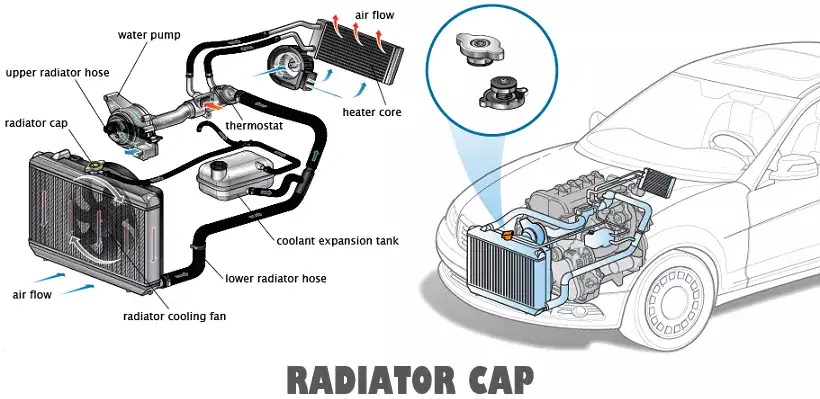
The radiator cap plays a crucial role in maintaining pressure within the engine cooling system. Its primary function is to increase the boiling point of the coolant, preventing premature boiling. However, if the radiator cap is leaking and fails to seal properly, the boiling point of the coolant drops significantly.
All About Auto Image

Consequently, the engine and coolant may only be semi-hot, yet the radiator begins to boil over. To diagnose this issue, inspect the radiator cap when the engine is cold. Look for cracks in the rubber part on the cap's underside. Ensure a snug fit when screwing the cap back on, with no signs of looseness.

If any irregularities are observed, replacing the radiator cap might resolve the boil-over problem. A secure and properly functioning cap is essential to maintaining the required pressure in the cooling system.

Wrong Anti-freeze/Water Ratio

The anti-freeze/water ratio in the radiator is critical for both freezing and boil-over protection. Typically, a 50/50 mix of anti-freeze and water is sufficient for optimal performance. Anti-freeze not only prevents freezing in cold temperatures but also elevates the boiling point of water.

However, an incorrect ratio, such as insufficient anti-freeze and excessive water, can cause the coolant to boil at a lower temperature. This results in the radiator boiling over even when the engine is only semi-hot.

Remedy

Inspect and Replace the Radiator Cap:

Begin by examining the radiator cap when the engine is cold. If cracks or defects are identified, replace the cap with a new one. Ensure a tight seal to maintain the required pressure in the cooling system.

Adjust Anti-freeze/Water Ratio

If the radiator cap replacement does not resolve the issue, focus on the anti-freeze/water ratio. Drain the old coolant by backflushing the entire cooling system. Simply opening the radiator valve may not effectively remove all the old coolant. After flushing, refill the system with a proper 50/50 mixture of water and antifreeze.

A boiling radiator when the engine is only semi-hot can be attributed to a leaking radiator cap or an incorrect anti-freeze/water ratio. Regular inspection and maintenance are crucial to prevent these issues. By addressing these issues promptly and accurately, you can ensure the proper functioning of your engine cooling system, preventing overheating and potential damage to your vehicle.
Textual description of firstImageUrl

Car Running Hot but Not Overheating

All About Auto Image

Why is the car running hot but not overheating? If the temperature warning lights on the dashboard go up in a car it means that the coolant temp is high and so is the engine. Engine temperature goes high especially when the weather is hot.

Textual description of firstImageUrl

Understanding the Reasons Behind Car Overheating

All About Auto Image

What causes a car to overheat is the problem with the cooling system namely the radiator, radiator cooling fan, water pump, thermostat, etc.


Car Running Hot but Not Overheating

If your car is running hot but not overheating, it may indicate a problem with the cooling system. Here are a few potential reasons and troubleshooting steps you can take:

Is Your Car Running Hot? Here's What You Need to Know

As a car owner, there's nothing more alarming than seeing your temperature gauge rise into the red zone. A hot running car can be a sign of a serious problem, and ignoring it can lead to costly repairs or even a breakdown on the road. But what causes a car to run hot, and what can you do about it? In this article, we'll explore the most common reasons why your car might be running hot, from a malfunctioning thermostat to low coolant levels. We'll also provide some tips on how to prevent your car from overheating in the first place, such as checking your radiator and keeping your engine well-maintained. Whether you're a seasoned car enthusiast or a new driver, this guide will help you understand the basics of car overheating and how to keep your vehicle running smoothly. So if you're worried about your car's temperature gauge creeping up, read on to learn more.

Causes of Car Overheating

A car engine can overheat due to several reasons. One of the most common causes is a malfunctioning thermostat. The thermostat controls the flow of coolant through your engine. If it's stuck in the closed position, the coolant can't circulate, and the engine will quickly overheat. Another reason your car might be running hot is a faulty water pump. The water pump is responsible for circulating coolant throughout the engine. If it's not working correctly, the coolant won't flow properly, and your engine will overheat.

Low coolant levels can also cause your car to overheat. Coolant is a mixture of antifreeze and water that helps regulate your engine's temperature. If the level is too low, your engine won't have enough coolant to keep it cool. Additionally, a blocked radiator or a damaged radiator fan can cause your car to overheat. The radiator cools the coolant as it flows through the engine. If it's blocked or damaged, the coolant won't be cooled properly, and your engine will overheat.

Signs of an Overheating Engine

It's essential to recognize the signs of an overheating engine to prevent further damage to your vehicle. One of the most apparent signs is an increase in temperature gauge readings. If your temperature gauge rises above the normal range, it's a good indicator that your engine is overheating. You may also notice steam coming from under the hood or a sweet smell coming from the engine bay. If you see these signs, pull over as soon as it's safe to do so and turn off your engine.

What to Do When Your Car is Overheating

If your car is overheating, it's crucial to take immediate action to prevent further damage to your engine. The first thing you should do is pull over to a safe location and turn off your engine. Don't attempt to open the hood until the engine has cooled down; otherwise, you risk getting burned by hot steam or coolant. Once the engine has cooled, check the coolant level and add more if necessary. If you are unsure how to check the coolant level, refer to your vehicle's owner's manual.

If your coolant level is fine, and you're still experiencing overheating issues, it's best to call for professional help. Continuing to drive your car in an overheated state can cause severe damage to your engine, which can be costly to repair.

How to Prevent Car Overheating

Preventing your car from overheating is a crucial part of vehicle maintenance. Here are some tips to help you avoid overheating issues:

- Regularly check your radiator and coolant levels. Coolant should be changed every two years, or as recommended by your vehicle's manufacturer.

- Keep your engine well-maintained. Regular oil changes and tune-ups can help improve engine performance and reduce the risk of overheating.

- Avoid driving in extreme temperatures or high-altitude areas.

- Don't overload your car. Overloading your vehicle can put extra strain on your engine and cause it to overheat.

- Use the right fuel. Using the wrong grade of gasoline can cause engine knocking, which can lead to overheating.

Importance of Regular Car Maintenance

Regular car maintenance is crucial to preventing overheating issues. A well-maintained vehicle will have a lower risk of mechanical failure, which can lead to overheating. Regular oil changes, tune-ups, and coolant flushes are essential to keeping your engine running smoothly. If you're not sure when your vehicle needs maintenance, refer to your owner's manual or consult with a trusted mechanic.

Common Myths About Car Overheating

There are several myths about car overheating that can be misleading. Here are some of the most common ones:

- Myth: You can add water to your coolant if you're low on coolant. Truth: While water can temporarily cool your engine, it's not a long-term solution. Water doesn't have the same anti-corrosion and anti-freeze properties as coolant, which can damage your engine over time.

- Myth: You can use any type of coolant in your car. Truth: Different types of coolant are formulated for different types of engines. Using the wrong type of coolant can cause damage to your engine.

- Myth: It's safe to drive your car if it's overheating as long as you keep the heater on. Truth: While turning on the heater can help cool your engine, it's not a long-term solution. Continuing to drive your car in an overheated state can cause severe damage to your engine, which can be costly to repair.

When to Seek Professional Help

If you're experiencing overheating issues with your car, it's best to seek professional help. A qualified mechanic can diagnose the problem and recommend the best course of action. If you're not sure where to turn for help, consult your vehicle's owner's manual or ask for a referral from friends or family.

DIY Tips for Fixing an Overheated Car

If you're comfortable working on your car, here are some DIY tips for fixing an overheated car:

- Turn off your engine and let it cool down.

- Check the coolant level and add more if necessary.

- Check for any visible signs of damage, such as a cracked radiator or a broken fan belt.

- Check the thermostat to make sure it's working correctly.

- If you can't identify the problem, it's best to seek professional help.

Conclusion

In conclusion, a car overheating can be a sign of a serious problem. Ignoring it can lead to costly repairs or even a breakdown on the road. The most common causes of car overheating include a malfunctioning thermostat, low coolant levels, a blocked radiator, or a damaged radiator fan. Recognizing the signs of an overheating engine is essential to prevent further damage to your vehicle. If your car is overheating, pull over to a safe location, turn off your engine, and seek professional help if necessary. Regular car maintenance is crucial to preventing overheating issues, including regularly checking your radiator and coolant levels and keeping your engine well-maintained. By following these tips, you can keep your vehicle running smoothly and avoid the headache of a hot running car.

Textual description of firstImageUrl

What to Do When a Car is Overheating

All About Auto Image

What to do When a car is overheating is you do not turn off the engine but do these simple tips in avoiding the occurrence of bigger problems.


Textual description of firstImageUrl

Temperature Gauge Rising but Car Not Overheating

All About Auto Image

Temperature gauge rising but car not overheating indicates low coolant level, collapsed radiator hose, faulty water pump or, faulty thermostat.


Textual description of firstImageUrl

Why Car Stall When the Engine is Hot

All About Auto Image

Car stalls when the engine is hot or the temperature is abnormally hot while driving. When the car stall if the engine is abnormally hot, this often cause by a vapor lock occurred on the engine.


Vapor lock happens when a gas going to the engine starts to boil before it reaches the combustion chambers, when the gas boils an air bubble is produced which then causes the air/fuel ratio to have too much air and not enough gasoline, in this case, the ratio is weak and not enough to cause the engine to stay running. Vapor lock is triggered by an extremely hot engine.

Possible cause why engine stall when hot

(1)Vapor lock.


How to fix car stalling when the engine is hot
When your car engine stalls while driving on an extremely hot engine, or weather probably you encounter a vapor lock. In this case no other option but to wait for the car engine to cools down before continue driving, also bring the car to a reputable auto repair shop for inspection and determine why the engine gets extremely hot. One reason for the engine to become extremely hot is by having a cooling system problem. Have it check to confirm that it causes the engine to become hot and avoid the vapor lock problem that causes your car to stall when the engine is hot.


Watch more videos on auto repair Subscribe to our Cartechhome Channel on Youtube.
Help us expand the people we help by sharing this information with others. Thank you !!!
Textual description of firstImageUrl

Leaking Radiator Cap Causes Radiator to Boil Over

Car trouble symptoms

Even if the car engine is semi-hot the radiator boils over.


Car Problem Diagnosis

This kind of problem occurs when the car is experiencing a leaking radiator cap. The purpose of the radiator cap is to keep the entire cooling system of the car under pressure. If the radiator cap is leaking the coolant boiling point will be lower than its normal boiling point and will cause the coolant to boil easily even if the engine is semi-hot.

 
All About Auto Image
Radiator Cap