Cartech - All About Auto

Showing posts with label shaking. Show all posts
Textual description of firstImageUrl

Steering Wheel Shaking While Driving: Causes and Solutions

Steering wheel shaking while driving can be a disconcerting and potentially dangerous experience for any driver. When the steering wheel starts vibrating or shaking, it’s a sign that something in your vehicle’s system is off balance or worn out. Understanding the causes behind this issue and knowing how to address it can help you avoid serious problems down the road. In this comprehensive guide, we will explore the various reasons behind steering wheel shaking while driving, discuss the solutions for each cause, and provide helpful preventive tips to maintain the smooth operation of your car.

Common Causes of Steering Wheel Shaking While Driving

Several factors can cause the steering wheel to shake or vibrate while driving, each linked to different parts of the vehicle’s mechanics. Below are the most common causes:

1. Unbalanced Tires

One of the primary reasons for steering wheel shaking while driving is unbalanced tires. When tires are not balanced properly, they can cause uneven rotation, leading to vibrations that are transmitted to the steering wheel. This is most noticeable at certain speeds, typically between 50 to 70 miles per hour.

Symptoms of Unbalanced Tires:

• Steering wheel shakes at high speeds.
• Vibration comes and goes depending on the speed.
• Uneven tire wear.

Solution:

Visit a mechanic or tire specialist to have your tires balanced. This procedure involves adding small weights to the wheel to evenly distribute the weight around the tire.

2. Misaligned Wheels

Wheel alignment refers to the angle and direction your tires are set in, relative to the road and each other. When the wheels are misaligned, it can cause uneven tire wear and make the steering wheel shake, especially when you’re driving at higher speeds.

Symptoms of Misaligned Wheels:

• The vehicle pulls to one side while driving.
• Uneven tire wear.
• Steering wheel shaking or vibration.

Solution:

Get a wheel alignment service from a professional. This will adjust the angles of the tires to meet the manufacturer's specifications, ensuring they meet the road evenly.

3. Worn Brake Rotors

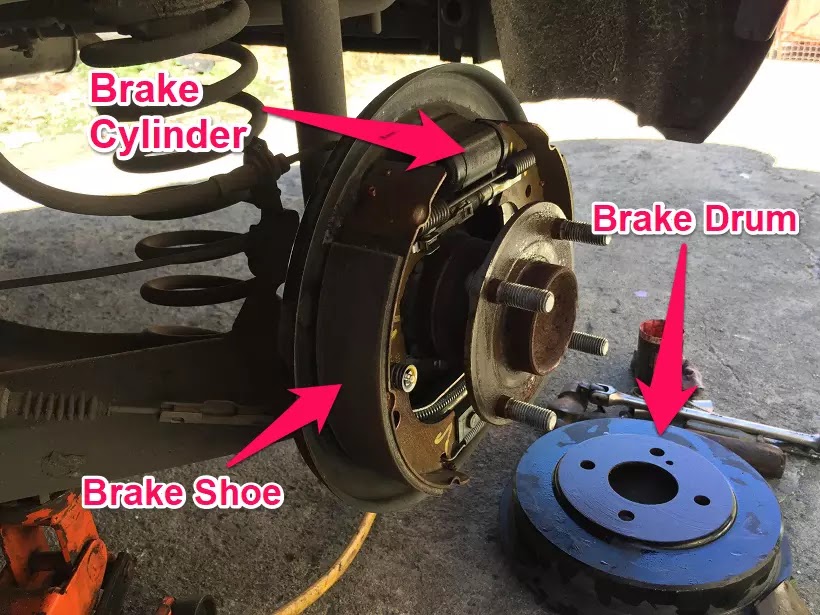
Worn or warped brake rotors can cause the steering wheel to shake when you apply the brakes. Brake rotors are essential components of your car’s braking system. Over time, the surface of the rotors can become uneven due to heat and wear, leading to vibrations during braking.

Symptoms of Worn Brake Rotors:

• Steering wheel shakes when you apply the brakes.
• Pulsating or jerking sensation when braking.
• Squealing or grinding noises when braking.

Solution:

Have the brake rotors inspected and, if necessary, replaced or resurfaced by a qualified mechanic. This will restore smooth braking and eliminate the shaking.

4. Worn Suspension Components

Your vehicle’s suspension system helps provide a smooth ride by absorbing shocks and maintaining tire contact with the road. If parts of the suspension, such as ball joints, tie rods, or control arms, are worn or damaged, they can cause the steering wheel to shake, especially over bumps or uneven terrain.

Symptoms of Worn Suspension Components:

• Steering wheel shakes when driving over bumps.
• The vehicle feels loose or unstable when turning.
• Clunking or rattling noises from the suspension area.

Solution:

Have a professional inspect the suspension system and replace any worn components, such as ball joints, tie rods, or control arms, to ensure proper handling and steering stability.

5. Tire or Wheel Damage

Damaged tires or wheels can also lead to steering wheel shaking while driving. A bent or damaged wheel can cause imbalance, leading to vibrations in the steering wheel. Similarly, a tire with a bulge, flat spot, or other damage can cause uneven tire rotation, resulting in vibrations.

Symptoms of Tire or Wheel Damage:

• Visible damage to the tire or wheel (e.g., bulges, dents, cracks).
• Steering wheel shakes at certain speeds.
• Vehicle pulls to one side.

Solution:

Inspect the tires and wheels for any visible damage. If a tire is damaged, replace it immediately. If a wheel is bent or damaged, have it repaired or replaced by a professional.

6. Worn Wheel Bearings

Wheel bearings allow your car's wheels to rotate smoothly. If these bearings wear out or become damaged, they can create friction, leading to vibrations that you’ll feel through the steering wheel. Typically, this occurs while turning or driving at high speeds.

Symptoms of Worn Wheel Bearings:

• Steering wheel shakes, especially when turning.
• Growling or grinding noise from the wheel area.
• The vehicle feels unstable at high speeds.

Solution:

Have a mechanic inspect and, if needed, replace the worn wheel bearings. Replacing wheel bearings ensures smooth wheel rotation and eliminates steering wheel vibrations.

7. Brake Caliper Issues

If a brake caliper sticks or fails to retract properly, it can cause the brake pads to remain in contact with the rotor, generating heat and leading to vibrations. This issue typically causes the steering wheel to shake when braking at high speeds.

Symptoms of Brake Caliper Issues:

• Steering wheel shakes while braking at high speeds.
• A burning smell near the wheels.
• The vehicle pulls to one side during braking.

Solution:

Have a mechanic inspect the brake system and repair or replace the faulty brake caliper. Proper brake caliper function is crucial for safe and smooth braking performance.

8. Axle Problems

A damaged or bent axle can cause the steering wheel to shake while driving. This issue typically occurs after a significant impact, such as hitting a large pothole or being involved in an accident. If the axle is bent, the wheels won’t rotate smoothly, leading to vibrations in the steering wheel.

Symptoms of Axle Problems:

• Steering wheel shakes at any speed.
• Noticeable wobble or vibration in the vehicle.
• Clunking noises from the axle area.

Solution:

If the axle is bent or damaged, it will need to be replaced by a professional mechanic. Continuing to drive with a damaged axle can lead to further complications and costly repairs.

9. Tire Pressure Issues

Low or uneven tire pressure can cause the steering wheel to shake, as underinflated or overinflated tires do not make even contact with the road. Inconsistent tire pressure can lead to poor vehicle handling and increased tire wear.

Symptoms of Tire Pressure Issues:

• Steering wheel shakes while driving.
• Vehicle feels unstable or bounces on the road.
• The tire pressure warning light is illuminated.

Solution:

Check and adjust your tire pressure according to the manufacturer’s recommended levels. Ensure all tires are inflated to the same pressure to promote even tire wear and smooth driving.

Preventive Maintenance to Avoid Steering Wheel Shaking

Preventing steering wheel shaking while driving can save you from costly repairs and ensure your safety on the road. Here are some preventive measures to keep in mind:

1. Regular Tire Maintenance

• Tire Rotation: Rotate your tires regularly to ensure even wear and extend their lifespan. This can also prevent vibrations caused by uneven tire wear.

• Tire Balancing: Have your tires balanced every time you change them or notice vibrations at certain speeds.

• Wheel Alignment: Get a wheel alignment whenever you notice the vehicle pulling to one side, or after hitting a curb or pothole.

2. Brake System Inspections

• Regularly check your brake pads, rotors, and calipers to ensure they are in good condition. Replace worn components as needed to prevent shaking while braking.

3. Suspension and Steering Checks

• Have your suspension and steering systems inspected regularly, especially if you notice clunking noises, uneven tire wear, or a loose steering feel. Addressing worn or damaged components early can prevent steering wheel vibrations.

4. Monitor Tire Pressure

• Check your tire pressure at least once a month and before long trips. Keeping your tires inflated to the correct pressure improves vehicle handling and prevents uneven wear that can cause steering wheel shaking.

5. Inspect Wheels and Axles After Impacts

• If you hit a pothole or curb, have your wheels and axles inspected for damage. Addressing issues like bent wheels or axles early can prevent more severe problems down the road.

When to Seek Professional Help

If your steering wheel is shaking while driving and you are unable to pinpoint the cause, it’s essential to seek help from a professional mechanic. Ignoring the issue can lead to more severe problems, affecting your vehicle’s performance and safety. A trained mechanic will be able to diagnose the underlying cause and recommend the appropriate repair to resolve the issue.

Final Thoughts

Steering wheel shaking while driving is not only uncomfortable but can also indicate serious problems with your vehicle’s tires, brakes, suspension, or other components. By understanding the various causes—such as unbalanced tires, misaligned wheels, or worn brake rotors—you can take the necessary steps to address the issue and restore a smooth, safe driving experience. Regular maintenance, timely repairs, and preventive care are key to avoiding steering wheel vibrations and ensuring your vehicle remains in optimal condition.


Want more videos all about auto?
Subscribe to our YouTube channel👉Cartech Home

Textual description of firstImageUrl

Car Shakes When Braking Downhill: Causes and Solutions

All about auto image

Driving downhill can be challenging, especially when your car shakes while braking. This unsettling experience can raise concerns about your vehicle's safety and performance. If you're facing this issue, you're not alone. Many drivers encounter the problem where their car shakes when braking downhill. This article will explore the causes, potential consequences, and solutions to help you understand and address this problem effectively.

Understanding the Basics: Why Does Your Car Shake?

Before diving into the specific reasons for a car shaking while braking downhill, it’s essential to understand the basic mechanics behind why a car might shake or vibrate. When you press the brake pedal, the braking system slows down your car by applying friction to the wheels. This friction generates heat, which can cause various components of the braking system to wear out or become uneven over time. When these components are not functioning correctly, it can lead to vibrations that you feel in the steering wheel, brake pedal, or even throughout the entire car.

Common Causes of Car Shakes When Braking Downhill

1. Warped Brake Rotors

• Explanation: Brake rotors are metal discs that the brake pads clamp onto to slow down the car. Over time, especially with heavy use such as frequent downhill braking, these rotors can become warped due to excessive heat. When the rotors are not perfectly flat, the brake pads cannot maintain consistent contact, leading to vibrations.

• Signs: If your car shakes when braking downhill, especially if the shaking is more noticeable when braking at high speeds, warped brake rotors are likely the culprit.

2. Worn Brake Pads

• Explanation: Brake pads wear down over time as they are used to clamp onto the rotors. If the pads wear unevenly or become too thin, they can cause vibrations when braking. In some cases, the brake pads might also glaze over due to excessive heat, making them less effective and prone to causing shaking.

• Signs: If you hear a squealing noise along with the shaking when you brake downhill, it’s a strong indication that your brake pads are worn out and need to be replaced.

3. Imbalanced Tires

• Explanation: Tires need to be balanced correctly to ensure smooth driving. If your tires are out of balance, it can cause the car to shake, particularly when driving at high speeds or during braking. This issue can be exacerbated when braking downhill because of the added stress on the tires.

• Signs: If your car shakes when braking downhill and you notice uneven tire wear or the shaking seems to correlate with specific speeds, tire imbalance might be the issue.

4. Suspension Issues

• Explanation: The suspension system in your car is responsible for maintaining contact between the tires and the road surface. If components like the shocks or struts are worn out, they might not absorb the impact of braking properly, leading to vibrations.

• Signs: If the shaking is accompanied by a bouncy ride or if your car dips excessively when braking, your suspension might be the problem.

5. Alignment Problems

• Explanation: Proper wheel alignment ensures that your tires meet the road at the correct angle. Misalignment can cause uneven tire wear and vibrations, particularly noticeable when braking downhill due to the increased forces at play.

• Signs: If your car pulls to one side when braking or the steering wheel is off-center even when driving straight, alignment issues could be the cause of the shaking.

6. Brake Caliper Problems

• Explanation: The brake caliper squeezes the brake pads against the rotors to slow down the car. If a caliper is sticking or malfunctioning, it can cause uneven braking pressure, leading to vibrations.

• Signs: A sticking caliper might also cause your car to pull to one side when braking, in addition to the shaking.

5. Overheated Brakes

• Explanation: Continuous or heavy braking, especially downhill, can cause the brakes to overheat. When brakes overheat, the brake fluid can boil, or the rotors can become temporarily warped, both of which can lead to vibrations.

• Signs: If the shaking occurs after prolonged braking, particularly downhill, and is accompanied by a burning smell, your brakes may be overheating.

Potential Consequences of Ignoring the Problem

Ignoring the issue when your car shakes when braking downhill can lead to several serious consequences:

1, Increased Wear and Tear: Continuous shaking can accelerate the wear on your car’s braking system, tires, and suspension components, leading to more expensive repairs down the line.

2. Reduced Braking Efficiency: If your brakes are causing the shaking, this could mean they are not functioning at their best, reducing your ability to stop quickly and safely.

3. Steering Problems: Vibrations can affect the steering system, making it harder to control the car, especially in emergency situations.

4. Compromised Safety: Ultimately, any issue that affects your car’s braking and handling can compromise your safety. A car that shakes when braking downhill is not only uncomfortable to drive but could also increase the risk of accidents, particularly in challenging driving conditions.

Diagnosing the Problem

To effectively address the issue of your car shaking when braking downhill, it’s crucial to accurately diagnose the problem. Here are some steps you can take:

1. Visual Inspection

• What to Do: Start by visually inspecting your brake rotors, pads, and tires. Look for signs of wear, uneven surfaces, or any visible damage.

• Why It Helps: A visual inspection can help you identify obvious issues like worn brake pads or imbalanced tires.

2. Test Drive

• What to Do: Take your car for a test drive in a controlled environment, preferably where you can safely brake downhill. Pay close attention to when the shaking occurs, how intense it is, and whether it’s accompanied by any unusual sounds.

• Why It Helps: A test drive can help you pinpoint whether the shaking is related to speed, braking pressure, or specific conditions like downhill driving.

3. Professional Diagnosis

• What to Do: If you’re unable to identify the problem yourself, or if the shaking persists, it’s best to take your car to a professional mechanic. They can use diagnostic tools to check the brake system, suspension, tires, and alignment.

• Why It Helps: A professional diagnosis ensures that the issue is correctly identified and that you don’t end up replacing parts unnecessarily.

Solutions to Stop Your Car from Shaking When Braking Downhill

Once you’ve identified the cause of the shaking, you can proceed with the appropriate solution. Here are some common fixes:

1. Resurface or Replace Brake Rotors

• What to Do: If your brake rotors are warped, they can often be resurfaced (machined) to make them smooth again. However, if they are too thin or severely warped, replacement might be necessary.

• Cost Consideration: Resurfacing is generally less expensive than replacement, but make sure to consult with your mechanic about the best option for your situation.

2. Replace Worn Brake Pads

• What to Do: If your brake pads are worn out or glazed, replacing them is the best course of action. Be sure to choose high-quality pads that are suitable for your driving conditions, especially if you frequently drive downhill.

• Cost Consideration: Brake pads vary in price, but investing in higher-quality pads can improve braking performance and reduce the likelihood of future vibrations.

3. Balance and Align Tires

• What to Do: If your tires are imbalanced, have them professionally balanced. If your alignment is off, a wheel alignment will correct the angles and prevent further uneven tire wear.

• Cost Consideration: Tire balancing and alignment are relatively inexpensive services that can significantly improve your car’s handling and comfort.

4. Inspect and Repair Suspension Components

• What to Do: If your suspension is causing the shaking, have it inspected by a professional. Replacing worn-out shocks, struts, or other suspension components can restore smooth braking.

• Cost Consideration: Suspension repairs can be more costly, but they are crucial for maintaining vehicle safety and ride comfort.

5. Fix or Replace Brake Calipers

• What to Do: If a brake caliper is sticking, it may need to be cleaned, lubricated, or replaced. Addressing this issue promptly can prevent uneven brake wear and reduce shaking.

• Cost Consideration: The cost will depend on whether the caliper can be repaired or needs replacement.

6. Avoid Overheating Your Brakes

• What to Do: To prevent your brakes from overheating, try to avoid continuous braking when driving downhill. Instead, use engine braking by shifting to a lower gear, which helps reduce the load on your brakes.

• Cost Consideration: This solution doesn’t involve direct costs, but it can save you money by preventing brake damage.

Preventative Measures to Keep Your Car from Shaking

Prevention is always better than cure. Here are some tips to keep your car from shaking when braking downhill in the future:

1. Regular Maintenance

• Action: Keep up with regular brake inspections and maintenance. This includes checking brake pads, rotors, and fluid levels.

• Benefit: Regular maintenance helps catch potential issues early before they develop into more serious problems.

2. Smooth Driving Habits

• Action: Avoid aggressive braking and try to drive smoothly, especially on downhill slopes. Use engine braking to reduce the strain on your brakes.

•Benefit: Smooth driving not only prevents shaking but also extends the lifespan of your braking system.

3. Tire Care

• Action: Regularly check your tire pressure, balance, and alignment. Rotate your tires as recommended to ensure even wear.

• Benefit: Proper tire care improves vehicle stability and reduces the risk of vibrations.

4. Address Issues Promptly

• Action: If you notice any shaking or vibrations, don’t ignore them. Address the issue as soon as possible to prevent further damage.

• Benefit: Early intervention can save you money on repairs and ensure your car remains safe to drive.

Final Thoughts: Ensuring a Smooth and Safe Ride

When your car shakes when braking downhill, it’s a clear sign that something is not right. While the issue can stem from various causes, ranging from brake problems to suspension issues, it’s essential to address it promptly to ensure your safety and that of others on the road.

By understanding the common causes and taking appropriate action, you can resolve the issue and enjoy a smoother, safer driving experience. Regular maintenance, careful driving habits, and timely repairs are key to preventing future problems and keeping your car in optimal condition.

If you're experiencing this issue, don’t hesitate to consult with a professional mechanic to get a precise diagnosis and the necessary repairs. Remember, the sooner you address the problem, the less likely it is to lead to more significant issues down the line. Safe driving!


Want more videos all about auto?
Subscribe to our YouTube channel👉Cartech Home
Textual description of firstImageUrl

Car Shakes When Braking Causes, Solutions, and Prevention

All About Auto Image

If you've ever felt your car shake when braking, you know how unsettling it can be. This issue isn't just uncomfortable; it can also signal deeper problems that could affect your vehicle's safety and performance. Understanding why your car shakes when braking is crucial for both your peace of mind and your car’s longevity. In this article, we will dive into the various reasons why this happens, how to fix it, and how to prevent it in the future.

👉Common Causes of a Car Shaking When Braking

Several factors could cause your car to shake when braking. Below are some of the most common reasons:

1. Warped Brake Rotors. One of the most common causes of a car shaking when braking is warped brake rotors. The brake rotors are metal discs that your brake pads clamp down on to stop your vehicle. Over time, the intense heat generated from braking can cause these rotors to warp. When the rotors are uneven, the brake pads can’t grip the surface evenly, causing vibrations that you can feel through the steering wheel or brake pedal.

All About Auto
Signs of Warped Rotors:

• Pulsating sensation when applying brakes.

• Uneven or excessive wear on brake pads.

• Squeaking or squealing noises.

2. Out-of-Balance Tires. Tires that are out of balance can cause your car to shake when braking. If the weight distribution of your tires is uneven, it can lead to vibrations, especially noticeable when slowing down.

Signs of Out-of-Balance Tires:

• Vibration felt in the steering wheel.

• Uneven tire wear.

• Vehicle pulls to one side.

3. Worn Suspension Components. Worn or damaged suspension components like bushings, ball joints, or control arms can also cause shaking when braking. The suspension system helps maintain tire contact with the road, and if it’s compromised, it can affect the way your car responds when you hit the brakes.

Signs of Worn Suspension Components:

• Clunking or knocking noises.

• Uneven tire wear.

• Difficulty in steering.

4. Sticking Brake Calipers. Brake calipers that stick can create uneven pressure on the brake pads, leading to shaking or vibrations when you brake. This issue can also cause excessive heat, which can further damage the rotors and pads.

All About Auto Image
Signs of Sticking Brake Calipers:

• Vehicle pulls to one side when braking.

• Burning smell near the wheels.

• Increased fuel consumption.

5. Tire Issues. Sometimes, the problem is as simple as a tire issue. A tire with a flat spot, for instance, can cause shaking when braking. Similarly, tires that are over or under-inflated can contribute to the problem.

Signs of Tire Issues:

• Visible flat spots on tires.

• Uneven tire wear.

• Low tire pressure warning.

6. ABS Issues. The Anti-lock Braking System (ABS) is designed to prevent your wheels from locking up during braking. However, a malfunctioning ABS system can cause vibrations or shaking when you brake.

All About Auto Image
Signs of ABS Issues:

• ABS warning light on the dashboard.

• Pulsating brake pedal.

• Grinding noise when braking.

7. Worn Brake Pads. Worn brake pads can also cause your car to shake when braking. If the pads are too thin, they won’t apply consistent pressure to the rotors, leading to vibrations.

All About Auto Image
Signs of Worn Brake Pads:

• Squealing or grinding noises.

• Longer stopping distances.

• Visible wear on the brake pads.

👉 How to Fix a Car That Shakes When Braking

Once you've identified the cause of the shaking, the next step is to address the issue. Below are some common fixes for a car that shakes when braking.

1. Resurface or Replace Rotors. If the problem is due to warped rotors, you may need to have them resurfaced or replaced. Resurfacing involves shaving off a small amount of the rotor surface to make it even again. However, replacement is the only option if the rotors are too thin.

2. Balance the Tires. Having your tires balanced can solve the issue if they are out of balance. Tire balancing involves adding small weights to the rims to ensure even weight distribution.

3. Replace Suspension Components. Worn suspension components should be replaced as soon as possible. This not only eliminates the shaking but also improves the overall handling and safety of your vehicle.

4. Repair or Replace Brake Calipers. If your brake calipers are sticking, they may need to be cleaned, lubricated, or replaced. This will ensure even pressure on the brake pads and prevent further damage to the rotors.

5. Address Tire Issues. If a flat spot or improper inflation is the issue, replacing the tire or adjusting the tire pressure can solve the problem. Regular tire rotations can also help prevent flat spots from forming.

6. Check the ABS System. If the ABS system is malfunctioning, it may need to be repaired or recalibrated. In some cases, simply replacing a faulty ABS sensor can resolve the issue.

7. Replace Worn Brake Pads. If worn brake pads are causing the shaking, replacing them is the only solution. It's advisable to replace both sets of front or rear pads at the same time to ensure even braking.

👉 How to Prevent a Car From Shaking When Braking

Preventing your car from shaking when braking is mostly about regular maintenance. Here are some tips:

1. Regularly Inspect Your Brake System. Regular brake inspections can help catch issues before they become serious. Make it a habit to check your brake pads, rotors, and calipers for signs of wear.

2. Balance and Rotate Your Tires. Having your tires balanced and rotated regularly can prevent uneven wear and reduce the chances of your car shaking when braking.

3. Maintain Proper Tire Pressure. Always ensure that your tires are inflated to the manufacturer's recommended pressure. Over or under-inflated tires can cause a variety of issues, including shaking when braking.

4. Replace Worn Suspension Components. Don’t ignore signs of a worn suspension system. Replacing bushings, ball joints, and other components when they start to wear out can prevent more severe problems down the road.

5. Check the ABS System. Keep an eye on your ABS system and have it checked during regular vehicle maintenance. Address any warning lights or issues immediately.

6. Avoid Hard Braking. Constant hard braking can cause excessive heat buildup, leading to warped rotors and worn brake pads. Try to brake smoothly and gradually whenever possible.

💬 Final thoughts

A car that shakes when braking is not just an annoyance; it’s a sign that something in your vehicle needs attention. Whether it’s warped rotors, unbalanced tires, or worn suspension components, addressing the issue promptly can prevent further damage and keep you safe on the road. Regular maintenance and prompt repairs are key to preventing these issues from recurring. By understanding the common causes and taking proactive steps, you can ensure a smoother, safer driving experience.


Want more videos all about auto?
Subscribe to our YouTube channel 👉Cartech Home
Textual description of firstImageUrl

Is Your Car Shaking When Idle? Here's What You Need to Know


Car shakes when idle, the vibration is so extreme that it causes the entire car to shakes even when the car does not move and stay idle.

Why car shakes at idle?

If car shakes when idle the reason is that one of the cylinders is misfiring. For the normal engine to run smoothly the engine cylinder must fire properly, the firing of each cylinder must be in the correct sequence. If one of the cylinders is not firing according to the normal firing order in sequence the engine will be out of balance which will result to engine extreme vibration that is enough to cause the entire car shaking at idle.

But that is not the real problem here, the real problem is why the cylinder misfiring. The reasons for the engine cylinder to misfire are bad spark plugs, bad spark plug wires or a worn distributor cap. Any of the above reasons can cause the firing of the air/fuel mixtures inside the cylinder. Another possibility is that the valves are burned. If the valve is burned the compression of the cylinder will become abnormal and as a results engine misfiring occurs.

Possible cause of car shaking at idle
Engine misfiring on one of the cylinder

What to do when there is excessive car shakes at idle?

Replace Spark Plug
To begin fixing the problem first is to replace the spark plug and the spark plugs wires usually this will fix the problem of engine misfiring.

Replace Distributor Cap
If after the replacement the car still shakes when idle the next thing to replace is the distributor cap. You can do the work by yourself by checking on the service manual that covers your car model or you may bring the car to the shop for tune-up.

If after then cap was replaced and the problem still occurs then the problem is a burned valve, in this case, confirm with the shop mechanic the problem and repair if necessary.

Suggested article:
What causes my steering wheel to shake?

Want more videos?
Subscribe to my channel!

The Top 5 Reasons Your Car Shakes When You Hit the Brakes

Experiencing a shaking sensation when you apply the brakes? Discover the top 5 reasons why your car shakes and how to fix it in this informative guide.


Textual description of firstImageUrl

Why Does My Car Shake When I Hit the Brakes?

Why does my car shake when I hit the brakes? These are just one of the common questions asked by our readers. Since the problem occurs during braking then obviously the problem involves the brakes particularly the brake on the rear.

All About Auto Image

Textual description of firstImageUrl

Shaky Steering Wheel When Braking

All About Auto Image

A shaky steering wheel when braking is a result of the warped front brake disc or a loose or worn-out front wheel bearing.


Textual description of firstImageUrl

Rear End Vibration at High Speed

All About Auto Image

If the car has rear end vibration at high speed, this generally indicates that the rear wheels are out of balance.

Reason for rear-end vibration at high speed
(1) Out of balance rear wheel.

Before explaining how imbalanced rear wheels can cause the rear end to vibrate, we need to first examine this notion of "wheel balance". A wheel consists of a rim and tire.  When rims and tires are manufactured, they're almost always somewhat flawed.

Rear Wheel Alignment Symptoms

For example, in the case of a tire, one portion of a tire's tread may be slightly thicker than a similar-sized portion of tread elsewhere on the tire. This means the tire isn't balanced in terms of weight distribution.

To balance the tire, a mechanic will strategically position/fasten lead weights to the edge of the rim, thus compensating for the manufacturing error. Now, if a rear wheel is out of balance, it won't rotate evenly as the vehicle is being driven and, consequently, it'll vibrate. At a certain speed, the vibration becomes severe enough to cause certain rear suspension components to vibrate as well - this is when it's noticeable to you, the driver.

All About Auto Image

What to do?
Have the rear wheels to be balanced. There are two methods of balancing - static, with the wheels off the vehicle, and dynamic, with the wheels on. The dynamic method is best since it takes into account the brake drum (or disk) and its influence on a wheel's balance.

How Tire Balancing is Conducted

Want more videos? Subscribe to Cartech Home channel
Textual description of firstImageUrl

Car Front End Vibrates While Driving

All About Auto Image

The car front end vibrates while driving, this problem can be observed especially when the car vibrates at certain speeds.

Car troubleshooting


Vibration on the front end portion of the car is usually a cause of imbalance front wheels. As you probably know tires and wheels are not perfectly manufactured there are some manufacturing flaws that affect the tires or wheels like for the tires there is a portion where some section is thicker than the other making the weight of the tire not evenly distributed.

When the tire was assembled to the wheel this uneven weight distribution can make the assembly imbalance. To correct the imbalance wheel weights will be attached to the assembly to compensate for the uneven weight distribution made by manufacturing flaws.

If the wheel assembly is out of balance the wheel rotates unevenly when the car is driven thus causing vibration. The vibration can become severe as the car reaches a certain speed causing the front end components to vibrate severely which can easily felt the by the driver especially if the problem involved is on the front tires.

Possible cause of front end vibration while driving out

of the balance wheel

How to fix the front end vibration problem


When your car suffers a front end vibration while driving, the first thing to do is to balance the front tires. Tires can be balanced using the static method or dynamic method. When we say static method the procedure is to remove the tire from the car then have it balance.

On the other hand, a dynamic balancing procedure is that the tire will be balanced on the car, this method of balancing is the best method to use because the wheel is balanced with the consideration of the influence of the brake disc or drum with the wheel.

How Tire Balancing is Conducted


Wheel balancing should be included in your routine car maintenance to maximize the life of the tire and to minimize the occurrence of front end vibration in your car.


Want more videos?
Subscribe to my channel!

Textual description of firstImageUrl

When the Brakes are Hit and the Steering Shakes?

What does it mean when you hit the brakes and your steering shakes? Well, obviously since the steering wheel shakes when the brake is hit then it is an indication of the problem on the car front end specifically the front brakes.


All About Auto Image

Front End of the Car Vibrates at Certain Speed

When driving at a certain speed, for example, more or less 60 kph, it feels that the car front end vibrates but no vibration on the rear end.